In many Filipino households, it’s common for dogs to eat table scraps given by their hoomans. Food combos are often a scoop of rice and leftover ulam from lunch or dinner. While it might seem practical, this habit may be doing more harm than good to our beloved four-legged floofs.
In this article, we’ll discuss the foods that should be avoided for dogs, and provide you with tips for a smooth transition from table food to dog food for your doggos.
1. The Truth About (“Ulam”) Table Food
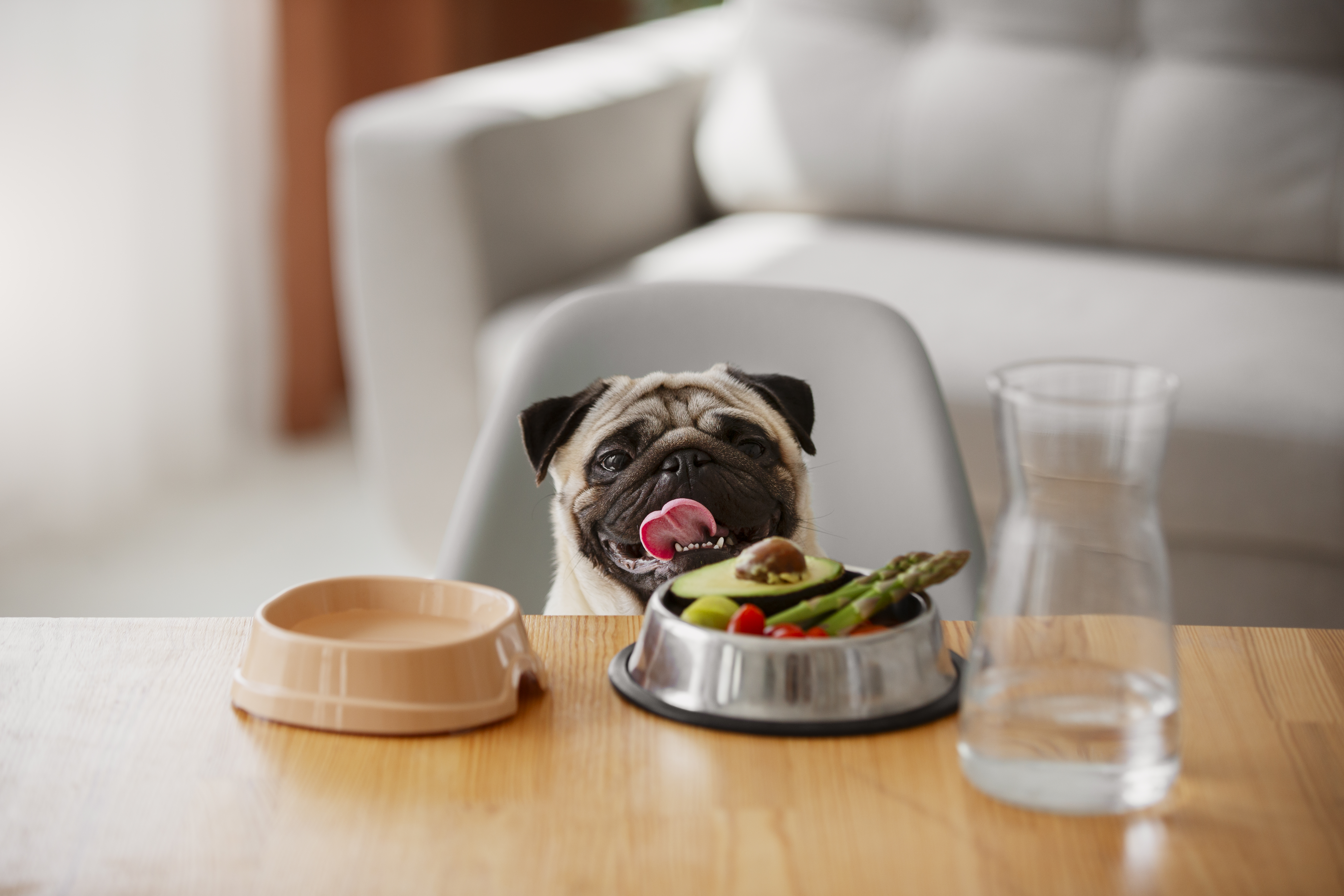
What’s delicious to us—like fried chicken, adobo, or sinigang—can be too salty, fatty, or toxic for dogs. Fried chicken, if given with bones, can splinter and cause choking or internal damage. Foods like grapes, raisins, chocolate, onions, garlic, xylitol (artificial sweetener), alcohol, anything with MSG, and avocado are toxic to dogs and should NEVER be given. These foods can irritate a dog’s digestive system or even lead to serious health issues over time.
2. Stomach Issues
Does your dog experience frequent loose stool, excessive gas, or dull fur? These can often be traced back to inconsistent or poor-quality diets. Ulam doesn’t offer consistency in nutrients, which can lead to tummy troubles and coat issues.
Maxime contains prebiotics and high-quality proteins to support healthy digestion and a shinier coat—so your dog feels and looks their best, every day.
3. It Can Lead To Begging Behavior and Dog’s Weight Gain
One time, when I was eating chicken, my dog was immediately drawn to the smell. That is another concern when it comes to table food. It reinforces begging behavior and can lead to weight gain. With those adorable eyes begging me for a bite, how can we, as fur parents, resist?
The answer is: we must resist giving in. While you might think it’s adorable, small or frequent bites can quickly add up to their weight, which can lead to a whole host of health problems, like arthritis and diabetes. According to UC Davis School of Vet Medicine, dogs should never consume more than 10% of their daily caloric intake from treats or other human foods.
4. Dog Food Is More Practical Than You Think
Many pet parents think that dog food is more expensive than table food. But the truth is, you end up spending more on vet bills when your dog’s health suffers from a poor diet.
With Maxime, every kibble delivers precise nutrition from high-quality ingredients, including Yucca Schidigera for odor reduction, prebiotics, omega-3 & 6, and other antioxidants to help your furry best friend receive the best care possible.
5. Love Means Choosing What’s Best
Feeding your dog isn’t just about giving them food—it’s about showing love through care. Maxime makes that easy. With a range of flavors, sizes, and formulas, your dog will enjoy every bite—while you enjoy the comfort of knowing you’re doing what’s best.
Make The Switch to Maxime Today
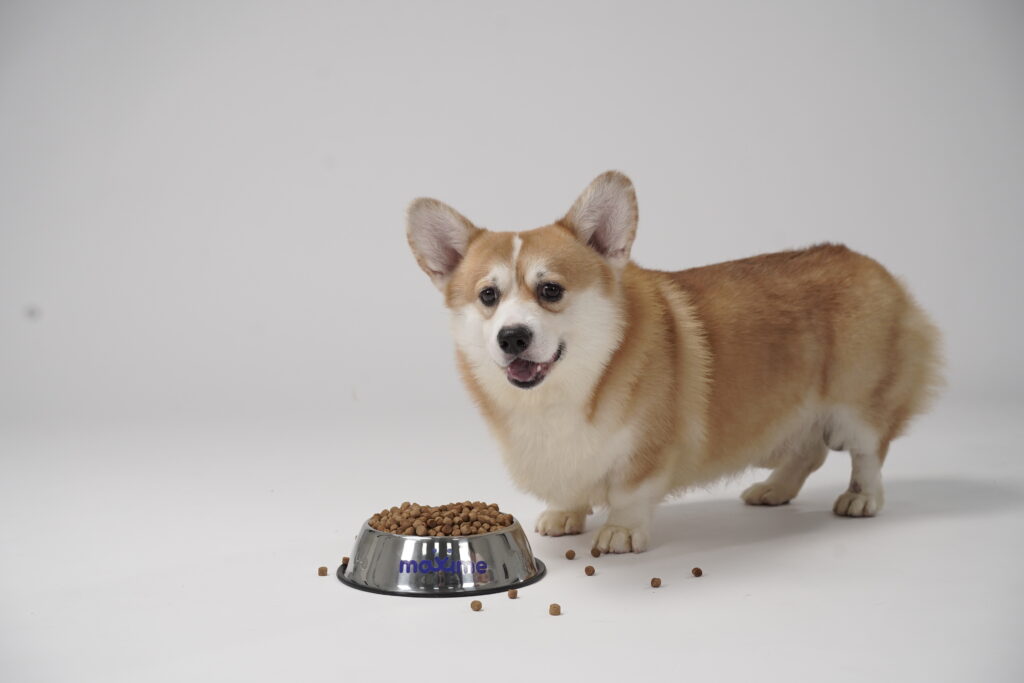
A growing puppy and an active adult have different dietary needs. From puppyhood to adulthood, Maxime offers premium and standard ranges that cater to your furry bestie’s appetite. Once you’ve chosen the right Maxime variant for your dog’s life stage, the next step is making the switch the right way.
Transitioning your dog’s food requires patience and care, and Maxime is here to support you throughout the process. Follow our 7-day transition plan to help your dog adjust without upsetting their tummy. See our packaging to know the proper transition plan. In the transition phase, monitor your dog’s stool for changes and reactions, adjusting the pace as needed.
Your dog deserves more than leftovers. Make the switch from ulam to Maxime and #LiveTheBestLifeTogether.
Order Maxime Dog Food online here: https://maxime.asia/ph/store/
Frequently Asked Questions
- Why is feeding dogs table food or “ulam” a common concern in Filipino households?
In many Filipino homes, dogs are fed leftover rice mixed with table viands — a practice rooted in practicality and affection. However, human food is typically seasoned, fatty, or composed of ingredients that a dog’s digestive system is not built to handle. What tastes delicious to people can cause digestive upset, nutritional deficiencies, or serious health risks to dogs when given consistently over time. - Which common Filipino foods and ingredients are toxic or harmful to dogs?
Several everyday ingredients pose real danger to dogs. Grapes and raisins can cause kidney failure. Onions and garlic damage red blood cells. Chocolate and xylitol — an artificial sweetener found in many products — are acutely toxic. Avocado, alcohol, and anything seasoned with MSG should also be completely avoided. Fried chicken bones present a choking and internal injury hazard due to the risk of splintering when chewed. - How does an inconsistent or poor-quality diet affect a dog’s health over time?
Feeding dogs table scraps leads to unpredictable nutrient intake. Without consistent levels of protein, fat, vitamins, and minerals calibrated to a dog’s biological needs, health problems accumulate gradually — including loose stools, excessive gas, a dull and dry coat, and reduced immune function. Long-term poor nutrition also increases the risk of weight gain, which in turn raises the likelihood of joint problems, diabetes, and reduced life expectancy. - What is the risk of allowing dogs to regularly eat human food beyond just nutrition?
Beyond nutritional harm, regularly feeding dogs from the table reinforces problematic behaviors. Dogs quickly learn that persistent begging — with those irresistible eyes — is rewarded. Even small, frequent portions of human food accumulate into excess calories. According to veterinary guidelines, treats and human food combined should account for no more than ten percent of a dog’s daily caloric intake to prevent unhealthy weight gain. - How should a dog owner transition their dog from table food to proper dog food?
Switching food abruptly can upset a dog’s stomach. A gradual transition over seven days — starting with a small proportion of the new food mixed into the old diet and incrementally increasing it — allows the digestive system to adjust. Monitor stool consistency and overall energy throughout the process, and adjust the pace if any digestive sensitivity appears. Patience during this transition period is essential to long-term success.