
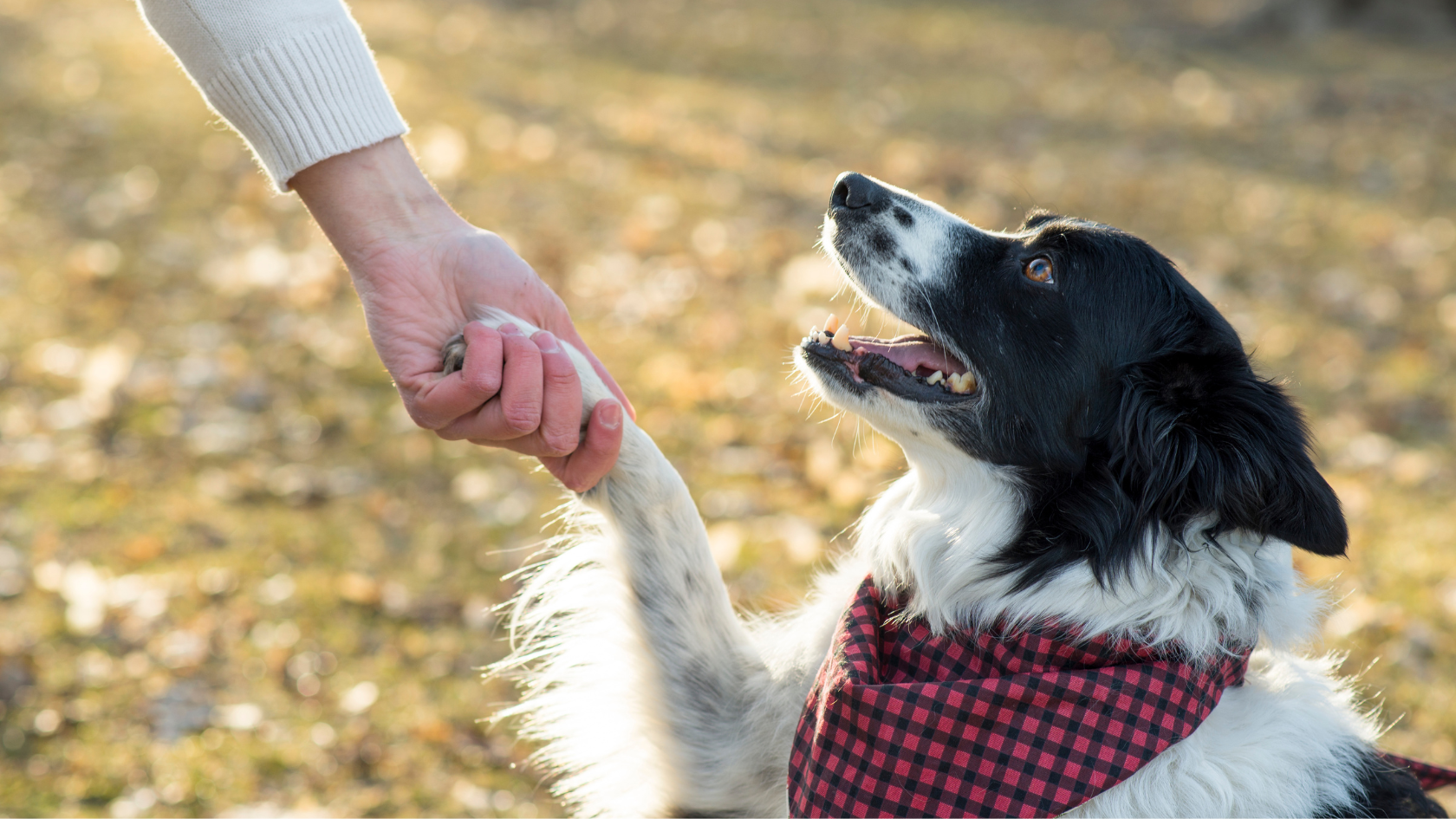
As the old saying goes, “You can’t teach an old dog new tricks.” But hear us out for a second and let us dare ask, “What if they can?” In a Forbes article, the latest research on canine cognition does suggest that older dogs can actually learn, but at their own pace, so to speak.
This indeed breaks the stereotype and our old belief on how dogs learn, and we’re here to unravel those mysteries to help better understand your aging canine friend.
The Myth of Old Dogs
The belief that you can’t teach old dogs new tricks is a universal myth in the world of canine training. This misconception suggests that older dogs are set in their ways, and training them to acquire new skills or behaviors is a pointless endeavor. However, it’s essential to debunk this myth and recognize the potential for lifelong learning in our furry companions.
This myth likely stems from a historical perspective when dogs were primarily used for specific tasks like hunting or guarding. Once a dog reached a certain age, their role was well-established, and training for new tasks seemed unnecessary.
Contrary to this belief, countless examples exist of older dogs successfully acquiring new tricks and skills. One notable case is Rico, a border collie who demonstrated an extensive vocabulary of over 200 words at the age of nine. This proves that age should not be a limiting factor when it comes to teaching dogs new behaviors and expanding their capabilities.
Understanding Older Dogs
To effectively train older dogs, one must fully grasp their unique characteristics and requirements. Aging can bring about various changes in dogs, both physically and mentally. Understanding these changes is essential for tailoring your training approach.
Physically, older dogs may face limitations such as decreased mobility or joint pain. This can affect their ability to perform certain tricks or tasks. It’s important to consider these physical limitations and choose exercises and tricks that are appropriate for your senior pup.
Cognitive changes can also occur in older dogs, potentially affecting their memory and learning abilities. Patience and empathy play a huge role when training older dogs. They may need more time to grasp new concepts, and repetition may be necessary.
While they may face challenges, older dogs are often highly motivated to learn and please their owners. Recognizing their unique needs and adjusting their training methods accordingly can lead to successful outcomes.
Effective Training Techniques and Proper Nutrition
Training older dogs requires a tailored approach that considers their age and unique needs. Various training methods can be effective for senior dogs, emphasizing patience, positive reinforcement, and creating positive associations.
Positive reinforcement is a gentle yet powerful technique. Rewarding your dog with treats, praise, or toys when they exhibit desired behaviors encourages them to repeat those actions. Clicker training, which involves using a clicker sound to mark the desired behavior, can also be effective.
Consistency is key in training older dogs. Establish clear routines and cues to help your dog understand what you expect. Repeated practice helps reinforce new behaviors.
In addition to training, nutrition plays a vital role in maintaining your senior dog’s well-being. A balanced diet with the right nutrients is essential for their overall health. Maxime Elite Dry Dog Food for Adult Dogs is formulated with the ideal mineral balance to support your dog’s health and nutrients that can boost their brain function.
Proper nutrition combined with effective training techniques can enhance your older dog’s physical health and mental agility. It’s a holistic approach to ensure they remain active, engaged, and eager to learn despite their age.
Overcoming Challenges
Training older dogs often comes with unique challenges, including physical limitations and reduced sensory capabilities. To ensure a successful training journey, it’s vital to address these issues.
Arthritis is a common concern in senior dogs. Joint pain can make certain movements uncomfortable, so opt for exercises that are gentle on their joints. Shorter, more frequent training sessions are often better than long, strenuous ones.
Hearing loss can affect communication during training. Use visual cues and hand signals to compensate for reduced auditory perception. Patience is key; ensure your dog understands the visual cues before relying solely on them.
Reduced stamina means older dogs may tire more quickly. Keep training sessions brief and enjoyable. Focus on mental stimulation through activities like puzzle toys and obedience training.
By acknowledging these challenges and adapting your training methods accordingly, you can create a positive and successful training experience for your senior dog.
Conclusion: Yes, Old Dogs May Still Have Tricks Up Their Paws
The bond between you and your senior canine companion can only grow stronger through training. It offers mental stimulation, boosts their confidence, and enhances their overall quality of life. So, don’t hesitate to explore the world of training with your older dog. With patience, understanding, and the right techniques, you can unlock their potential and share in the joy of learning together.
Remember, age is just a number, and there’s always room for new tricks and adventures, no matter how old your furry friend may be.
Frequently Asked Questions
1. What does current canine cognition research say about the learning capacity of older dogs?
Scientific research has convincingly challenged the old assumption that senior dogs cannot learn. Studies on canine cognition confirm that older dogs retain the capacity to acquire new behaviors and skills — they simply require more time, repetition, and patience than younger dogs. The case of Rico, a border collie who demonstrated a vocabulary of over 200 words at age nine, is a well-documented example that age alone does not cap a dog’s ability to learn when the right training methods are applied consistently.
2. How do the physical changes of aging affect how training sessions should be structured for senior dogs?
Older dogs commonly experience joint pain from arthritis, reduced stamina, and decreased sensory acuity — particularly hearing loss. Training sessions for senior dogs should be shorter and more frequent rather than long and demanding. Exercises must be selected with joint comfort in mind, avoiding movements that require impact or significant stress on aging joints. For dogs with hearing loss, hand signals and visual cues replace verbal commands as the primary communication channel, ensuring the training relationship remains effective even as sensory capacity changes.
3. Why is positive reinforcement specifically more effective for senior dogs than other training approaches?
Senior dogs are often highly motivated to please — they respond exceptionally well to reward-based methods because the positive emotional experience of receiving a treat or praise directly reinforces the desired behavior in memory. Aversive methods are counterproductive with older dogs: they create anxiety, erode trust, and make learning significantly slower. Clicker training — which uses a consistent audio marker to identify the precise moment of correct behavior — is particularly effective because it communicates clearly without requiring the dog to process complex verbal instructions.
4. What role does nutrition play in supporting an older dog’s cognitive and physical capacity to learn?
The brain and body both require specific nutrients to function at their best during the learning process. For senior dogs, a diet that supports cognitive function — including adequate omega fatty acids for brain health — directly influences memory retention and mental clarity. Joint-supporting nutrients like glucosamine help maintain the physical comfort necessary for a dog to participate in training without pain as a distraction. A well-nourished senior dog is measurably more engaged, more focused, and more capable of sustaining the mental effort that learning new behaviors demands.
5. What practical strategies help fur parents overcome the most common challenges when training older dogs?
Three adaptations make the greatest difference: keeping sessions brief to accommodate reduced stamina, incorporating mental stimulation tools like puzzle toys to build cognitive engagement outside formal training time, and maintaining absolute consistency in commands and cues to reduce the processing load on a dog that may take longer to form new associations. Celebrating small incremental progress — rather than comparing outcomes to a younger dog’s pace — sustains both the owner’s patience and the dog’s confidence throughout the training journey.