Most people say that having a pet nowadays is almost the same as giving birth to a human baby. As the paw-rents of these floof babies, we are tasked to make sure that they are receiving the best care possible, like having enough food packed with nutrients and clean drinking water. Before we dive deeper into discussing the most optimal care for both cats and dogs, let’s focus on the basics of what our feline babies need.
Here at Maxime, we always want to help you and your floof baby live the best life together! This is why we have jotted down a few tips and tricks that can help you make sure your cattos are well hydrated.
1. Never Leave Water Bowls Empty
As much as we humans need to keep a glass or bottle of water within reach, it’s also ideal that we keep our pets’ water bowls full every time. Just make sure that you change the water in it DAILY. They’ll most likely know if the water’s fresh or not.
2. Place Different Bowls in Different Places
Cats, as all purr-rents know, are very unpredictable; might as well go with it, right? Put bowls in random places around your home, as cats prefer drinking in different spots. They would also love it if you don’t place them in locations that frequent heavy foot traffic, such as doors, hallways, living rooms, etc.
3. Switch to Wide and Shallow Ceramic Bowls
The bowl matters! Metal and plastic bowls sometimes give water a weird taste and it might keep the cattos from enjoying their drink. They would love it if you use ceramic bowls instead–those that are a bit shallow and wide, as these allow them to see their surroundings while having a sip.
4. Multiple Bowl Options May Add Excitement
You might want to try giving your cat several bowl options by keeping random bowls out at all times. The one that drains the fastest is what your catto likes the most, and it might make them drink more frequently than they usually do.
5. Try a Drinking Fountain
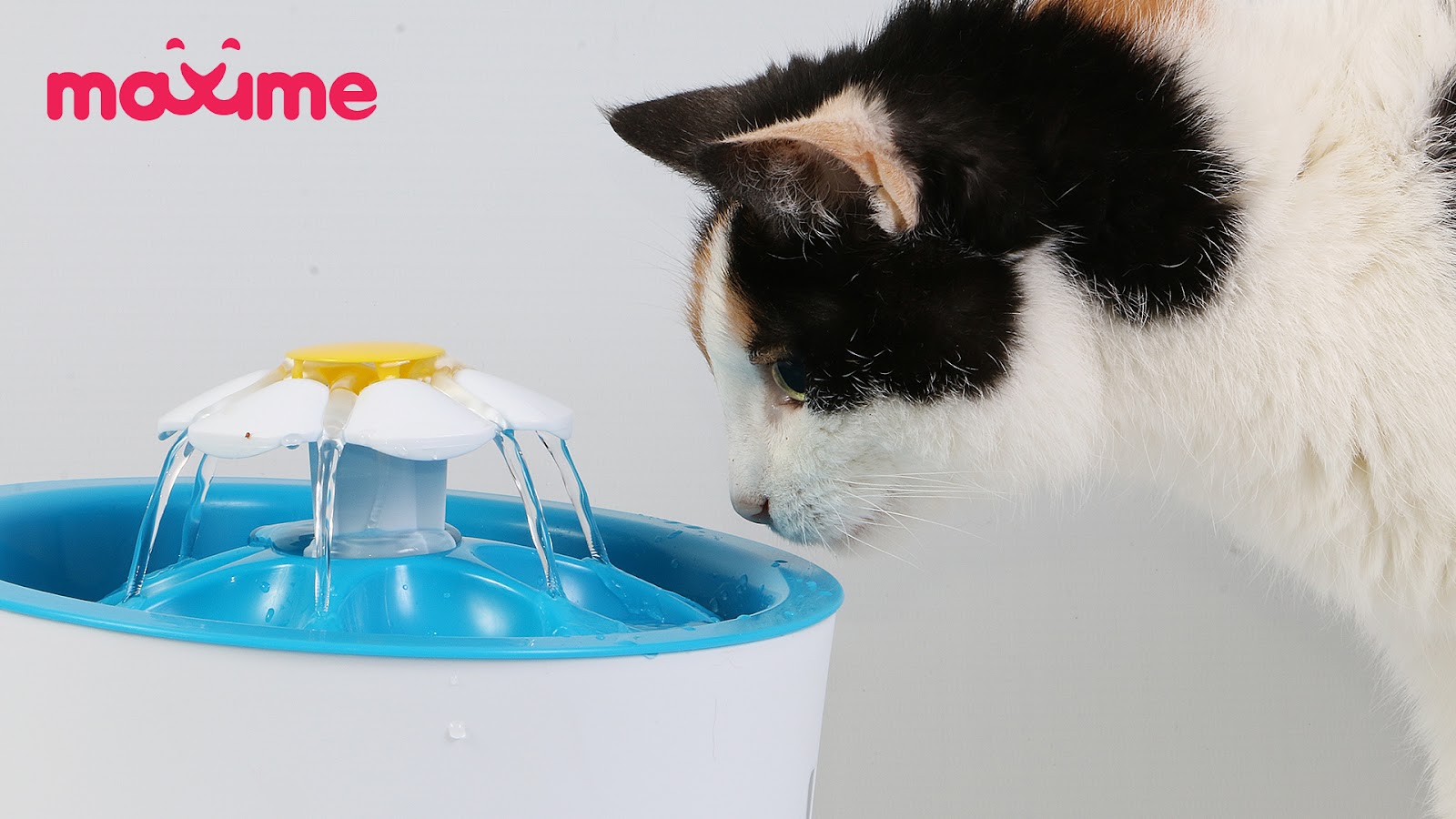
Cats are fascinated with anything that’s moving, so flowing water from a drinking fountain might do the trick. If you’re feeling a little fancy, it’s best to choose the kind that has its own filter to keep the water fresh. Just make sure they’re regularly cleaned so your babies will keep coming back for more.
6. Mixing Drops of Broth in the Water
We humans love drinking beverages with different flavors, and our cats do, too! Adding low-sodium tuna or clam juice ice cubes, or chicken broth can make drinking more exciting and enjoyable for your cat. Make sure to discuss with your resident veterinarian which flavors are recommended for your floof baby.
Knowing which method will work best for your feline babies can be a bit tricky at first, but it will always be worth it. The cattos may not be able to say it, but we do believe they’re grateful for all that you do to keep them healthy and for having you as their paw-rents!
References:
Frequently Asked Questions
Can flavoring the water help encourage cats to drink more, and what options are safe?
Yes. Adding small amounts of low-sodium broth — such as chicken broth or tuna juice — or freezing diluted broth into ice cubes and dropping them into the water bowl can make drinking more interesting and appealing. This is especially useful for cats that show persistent disinterest in plain water. However, any broth or flavoring used must be low in sodium and free of onion, garlic, and other ingredients that are toxic to cats. Consulting a veterinarian to confirm safe options for a specific cat is always advisable.
Why do cats tend to drink less water than they actually need?
Cats descended from desert-dwelling animals that evolved to obtain most of their moisture from prey rather than standing water. This biological history means domestic cats have a naturally low thirst drive and are prone to underdrinking even when water is freely available. Because they don’t register thirst as urgently as other animals do, dehydration can develop gradually and silently — making it a chronic concern in cats fed primarily on dry kibble without supplemental water intake strategies in place.
Why does bowl material and shape affect how much a cat drinks?
Metal and plastic bowls can impart a faint metallic or chemical taste to water, which cats — with their sensitive sense of smell and taste — will detect and find off-putting. Wide, shallow ceramic bowls are recommended because they are taste-neutral and allow a cat to see its surroundings while drinking, satisfying the baked-in vigilance that comes from being both a predator and a prey species. The wider rim also ensures that a cat’s sensitive whiskers are not compressed while drinking, reducing discomfort.
How does bowl placement influence a cat’s water intake?
Cats are territorial and prefer to drink from locations that feel safe, quiet, and low in foot traffic. Placing water bowls near busy doorways, hallways, or high-traffic areas can deter cats from drinking regularly. Distributing multiple bowls in different rooms at varying heights takes advantage of the cat’s natural tendency to patrol and visit different spots throughout the day. This behavioral approach often results in noticeably increased total water consumption compared to a single centrally placed bowl.
What is a cat water fountain and why might it improve feline hydration?
A cat water fountain provides constantly circulating, moving water — which instinctively attracts cats more than still water, likely because moving water signals freshness to them in a primal sense. Many cats that ignore a standard water bowl will drink readily from a fountain. Models with built-in filtration maintain water quality and freshness more consistently. Regular cleaning of the fountain is essential to prevent biofilm buildup that can discourage use and become a hygiene concern.