
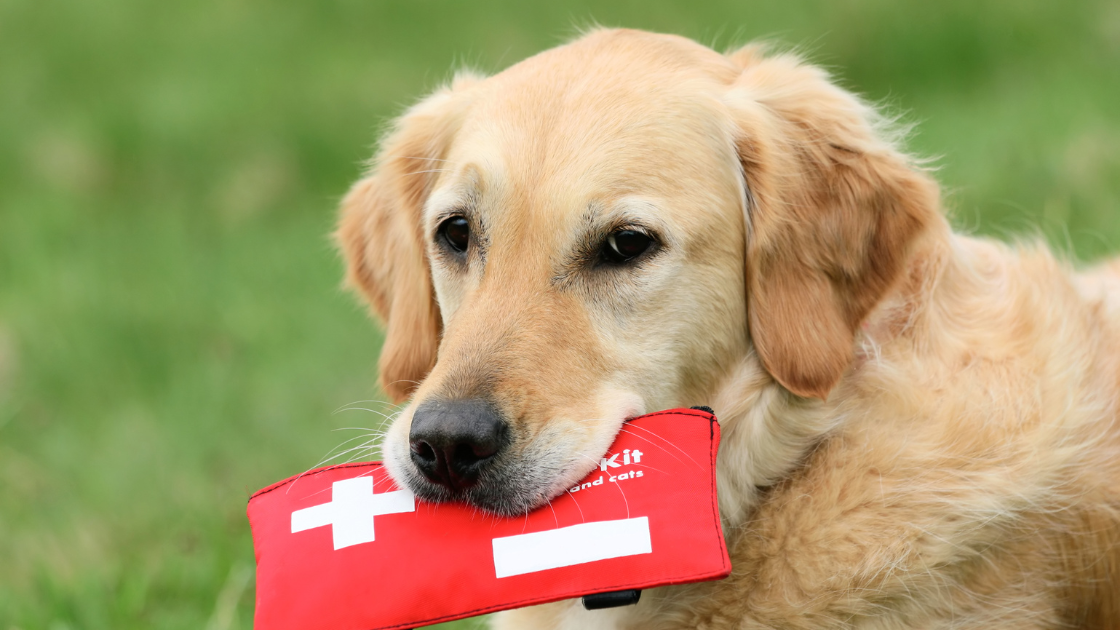
We love our fur-babies, our doggos and cattos who brighten our days and bring endless joy to our lives. As responsible fur-parents, it’s our duty to ensure their safety and well-being, especially during unexpected emergencies. That’s where the pet emergency kit comes into play. In this article, we’ll explore why having a pet emergency kit is essential, what items you should include in it, and how to prepare this lifesaving resource for your beloved pets.
Why is it important to have a pet emergency kit?
Imagine this: a sudden natural disaster, a power outage, or even a medical emergency that requires immediate evacuation. These are situations where having a well-prepared pet emergency kit can make all the difference. So here are some compelling reasons why you should have one ready:
Swift Response
Emergencies can strike without warning. Having a pet emergency kit on hand ensures you can respond swiftly, reducing stress for both you and your pets.
Peace of Mind
Knowing you have everything your fur-babies need in one place gives you peace of mind, enabling you to focus on their safety and well-being.
Emergency Preparedness
Being prepared shows your commitment to your pet’s safety. It can also make a difference in the outcome of an emergency situation.
No Compromises
During an evacuation or emergency, you may not have time to shop for pet supplies. Having a pre-packed kit means no compromises on your pet’s care.
What should be included in the pet emergency kit?
Now that we understand the importance of a pet emergency kit, let’s dive into what should go into this life-saving bag. Here’s a checklist of essentials:
1. Food and Water
Pack a three-day supply of your pet’s food and bottled water. Don’t forget their favorite treats to keep them comforted during stressful times.
2. Medications and Medical Records
Include any medications your pet needs and copies of their medical records, especially vaccination records. A pet first aid kit is also crucial for addressing minor injuries.
3. Leash, Collar, and ID Tags
Ensure your pet has proper identification. Include a sturdy leash and collar with ID tags containing your contact information.
4. Crate or Carrier
Have a comfortable and safe crate or carrier for each pet. Make sure it’s big enough for them to stand, turn around, and lie down.
5. Blankets and Comfort Items
Familiar items like blankets, toys, and a favorite stuffed animal can provide comfort during hard times.
6. Sanitation Supplies
Include pet waste bags, a litter box, and litter for cattos. Keep some cleaning supplies handy as well.
7. Contact List
Create a list of emergency contacts, including your veterinarian, local animal shelters, and friends or family who can assist with your pets.
8. Pet Disaster Preparedness Kit
This kit may include items like flashlights, batteries, and a portable phone charger to ensure you can care for your pets in a power outage.
How to prepare an emergency bag for your pets?
Creating a pet emergency kit doesn’t have to be overwhelming. Here’s a step-by-step guide to help you get started:
Step 1: Gather Supplies
Collect all the items listed above. Check expiration dates on food and medications, and replace them as needed.
Step 2: Assemble the Kit
Choose a sturdy, waterproof container for your pet emergency kit. A backpack or plastic storage container works well. Label it clearly.
Step 3: Pack with Care
Carefully pack each item into the container, organizing them for easy access. Place food and water near the top for quick retrieval.
Step 4: Create an Emergency Plan
Develop an emergency plan that includes evacuation routes and designated meeting places. Share this plan with your family members.
Step 5: Regular Checkups
Remember to periodically review and update the contents of your pet emergency kit. Replace expired items and adjust quantities as needed.
In conclusion, crafting the purr-fect pet emergency kit is a vital step in ensuring the safety and well-being of your furry family members during unexpected emergencies. By having a well-prepared kit with essential supplies, you can respond swiftly and confidently, knowing that your fur-babies have everything they need.
So, ready, set, woof! Get started on creating your pet emergency kit today, and give your pets the best chance at a safe and comfortable journey through any unexpected events.
Remember, being a responsible fur-parent means not only providing love and cuddles but also being prepared for whatever life may throw your way. Your doggos, cattos, and other adorable fur-babies deserve nothing less.
Frequently Asked Questions
1. Why is a three-day food and water supply — rather than just one day — the recommended standard for a pet emergency kit?
Emergency situations in the Philippines — typhoons, flooding, power outages, or forced evacuations — routinely extend beyond 24 hours before safe return or resupply becomes possible. Three days of pre-packed food and water ensures pets are consistently fed on their regular diet without disruption, preventing the digestive upset that switching foods under stress would compound. Having a sealed supply also removes the risk of contamination from floodwater or debris that can make tap water unsafe during disaster scenarios.
2. Why must medical records and vaccination documentation be physically included in the pet emergency kit rather than stored digitally only?
During emergencies, digital access is not guaranteed — phones may be lost, dead, or without signal. Emergency shelters, veterinary clinics in evacuation zones, and relief organizations may require proof of current vaccination before allowing a pet onto the premises. A physical copy of vaccination records, along with a list of current medications and dosages, ensures access to care is not denied based on documentation failure during the most critical moments of a crisis.
3. What qualities should a pet carrier or crate in an emergency kit meet to be considered genuinely emergency-ready?
The carrier must be large enough for the pet to stand, turn around, and lie down comfortably — a confined pet in an undersized carrier experiences significantly elevated stress during extended emergencies. It should be made of durable material that withstands rough handling, is easy to clean, and can be secured closed without the risk of the pet forcing it open under panic. For households with multiple pets, each animal must have its own individual carrier — never a shared one — to prevent stress-escalation between animals in close quarters.
4. How should the pet emergency kit be stored and maintained to remain genuinely useful when needed?
The kit should be stored in a waterproof, clearly labeled container placed in an easily accessible location — not in a locked storage area or a space that requires extended searching to locate. Food and medication expiration dates must be checked and updated every three to six months. Water should also be refreshed regularly. An emergency contact list — including the veterinarian’s number, local animal shelters, and a trusted neighbor who can assist with pets — should be kept current and reviewed alongside food rotation checks.
5. What role does a pet disaster preparedness plan — beyond the kit itself — play in a successful emergency response?
The physical kit is only as effective as the preparedness plan surrounding it. A documented evacuation route that includes pet-friendly shelters or designated meeting points prevents panicked, uncoordinated decisions under pressure. Practicing departure procedures with the pet — carrier training, leash acclimatization, car calmness — ensures the pet can be moved safely and quickly when seconds matter. Sharing the plan with all household members, including children, ensures no single person is the only one capable of executing the emergency response correctly.