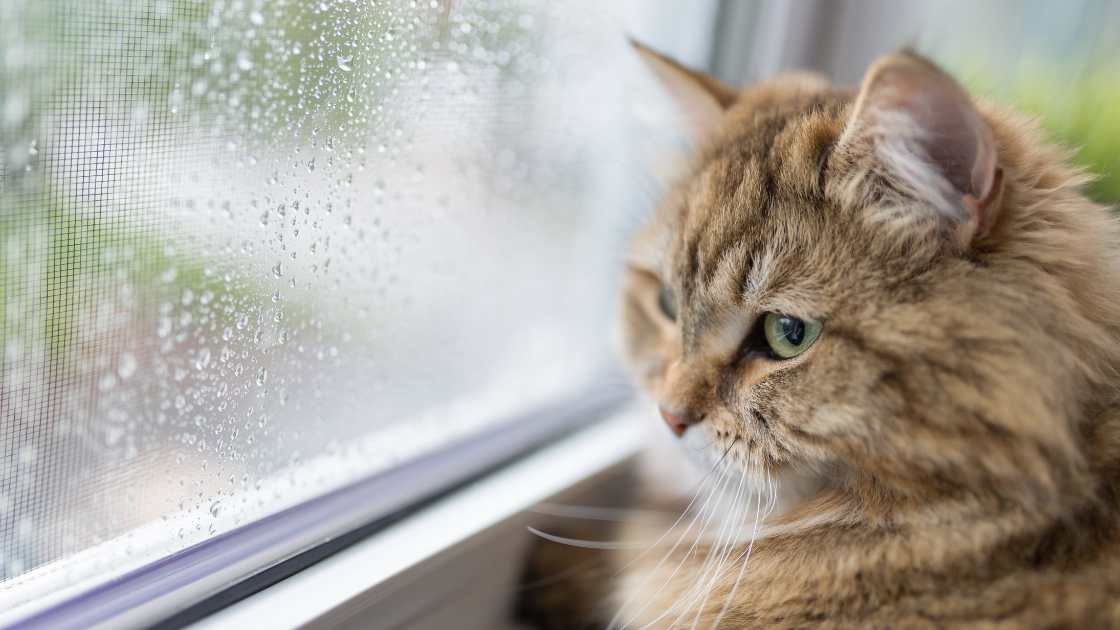
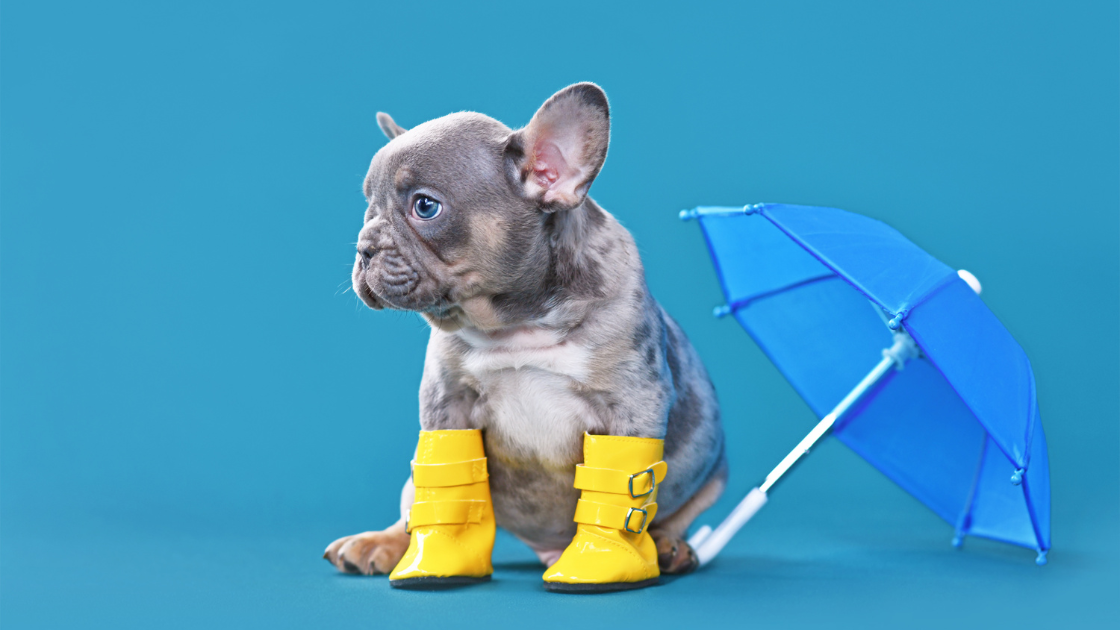
The Philippines is no stranger to the mighty monsoon. When the rain pours, the streets transform into streams, and the daily grind takes a pause. While you’re safe and dry indoors, have you ever thought about your furry friends? Just like us, dogs and cats need a little extra care and protection when the heavens open up. In this article, we’ll explore the essential precautions that include heavy rain safety tips to ensure your pets’ protection during the rainy season, along with some tips for their health and nutrition.
1. Shelter and Comfort
Heavy rains mean puddles, cold drafts, and slippery floors. Your pets need a cozy and dry place to rest, so provide them with shelter during monsoons. Ensure their sleeping area is elevated to avoid flooding. Cats adore cozy nooks and crannies, so offer them a warm and dry corner. By creating a snug environment with blankets or pet beds, they will feel more warm and comfy during cold rainy nights.
2. The Rainy Walk Dilemma
Dogs enjoy walks, but monsoon rains can put a damper on these outdoor escapades. When nature calls, opt for short and swift walks during rain-free moments. If you can, find an area with cover, like a park with a gazebo. Always keep a towel handy to dry your furry companion after the walk.
3. Calming and Comforting Tips for Your Fur Babies
A sudden heavy downpour can be alarming for pets. Loud thunder, flashing lightning, and pounding rain can lead to anxiety. Comfort your pets during the storm by offering a safe and reassuring place. A cozy blanket or cuddle session can help soothe their nerves.
4. Defending Against Insect Intruders
With monsoon rains, come monsoon pests. Mosquitoes and ticks often surge during this season, and they can pose a significant threat to your pets. These tiny intruders can carry diseases and cause discomfort to your furry friends. Protect your pets by ensuring they are up-to-date with tick and flea prevention. Consult your veterinarian for suitable products and application advice. By keeping these pests at bay, you help safeguard your pet’s well-being during the typhoon season.
5. Nourishing Their Health
During the monsoon season, maintaining your pet’s health becomes more critical than ever, as a balanced diet is a cornerstone of their well-being. Maxime Pet Food understands the importance of robust immunity support, especially during weather changes that might affect your pet’s health.
By offering a carefully balanced range of nutrients, MAXIME’s pet food can play a vital role in enhancing your pet’s overall health. This attention to nutrition is particularly crucial during the monsoon when your pets may be less active. By providing them with the right diet, you ensure that they remain healthy, strong, and full of energy, ready to live the best life together, rain or shine.
6. Keeping Your Pets Fresh and Clean
A clean pet is a happy pet, and this holds especially true during a tropical monsoon season. As heavy rains can turn a leisurely walk into a muddy adventure, your furry companions are likely to get dirty more frequently. To ensure your pets stay fresh and clean, consider these precautions:
Regular Grooming: Brush your pets regularly to remove dirt and loose hair. This not only keeps them clean but also strengthens the bond between you and your pet. For some breeds, a trip to the groomer might be necessary.
Paw Care: Check your pet’s paws after outdoor walks. Mud and water can get trapped between their paw pads, which can be uncomfortable and may lead to infections. Gently clean and dry their paws to prevent such issues.
Bathing: When a full bath is necessary, opt for a pet-friendly shampoo. Avoid bathing them too frequently as it can strip their skin of natural oils. Your veterinarian can recommend a suitable bathing schedule for your pet.
Dental Care: Regular dental care is vital for your pet’s overall health. Use pet-specific toothbrushes and toothpaste to clean their teeth. Good oral hygiene prevents bad breath and potential dental problems.
Dry and Warm: After any wet outing, ensure your pet is thoroughly dried. Damp fur can lead to skin conditions, and chilly, wet pets are more susceptible to illness. Use a pet dryer or a dry, clean towel.
You and Your Fur Baby Can Weather Any Storm!
Your furry companions rely on you for safety and protection, especially when the weather gets rough. Implement these precautions to keep your pets secure and in the best of health during the monsoon season. From shelter and comfort to proper nutrition, your efforts can make a world of difference in their safety and well-being. Remember, when you’re prepared, your pets can weather the storms with you.
Frequently Asked Questions
How does maintaining a complete, balanced diet specifically support a pet’s immune resilience during the Philippine monsoon season?
The monsoon season creates a physiologically stressful environment for pets: exposure to pathogen-laden water, reduced physical activity, higher ambient bacterial and fungal load, and temperature fluctuation all increase the immune system’s workload. A diet that supplies adequate high-quality protein for antibody production, essential vitamins for immune modulation, and antioxidants to neutralize oxidative stress provides the biological raw materials that allow the immune system to respond effectively. Pets that enter the wet season nutritionally depleted have measurably reduced ability to fight off the infections that monsoon conditions make more likely.
Why is an elevated sleeping area specifically recommended for pets during Philippine monsoon season, and what materials work best?
Flooding in Philippine streets and homes — even from heavy rain without full flooding events — can cause water to seep under doors and pool on ground-level floors. Pets resting on floor level can be exposed to cold, contaminated water for hours during heavy rain events. Elevated pet beds, raised platforms, or waterproof mat-topped kennel elevators keep pets dry and insulated throughout sustained weather. Waterproof, easy-to-clean materials are preferable, as any surface that retains moisture in tropical humidity will develop mold and bacterial growth that poses secondary health risks.
What is the safest protocol for dog walks during the Philippine rainy season, balancing exercise needs against disease risk?
Short, purposeful walks during confirmed rain-free windows — ideally mid-morning after heavy overnight rain has subsided — are the recommended approach. Routes should avoid flooded streets and standing water puddles, which carry leptospirosis and other waterborne bacterial risks. Carry an absorbent towel to dry paws, legs, and underbelly immediately after the walk. If the dog refuses to use rain boots, a thorough paw-cleaning station at the home entrance — with a shallow basin and gentle pet-safe cleanser — is a practical minimum hygiene measure.
How should fur parents handle tick and flea prevention differently during the monsoon season compared to the dry season?
Humidity above 50-60% dramatically accelerates flea and tick life cycle progression — eggs hatch faster, larvae develop more quickly, and populations can surge to infestation levels within days in sustained wet conditions. Year-round parasite prevention is recommended in the Philippines, but the monsoon period specifically requires the most consistent application and the shortest gap between treatments. Bedding and sleeping areas should be washed and dried more frequently than usual, and any outdoor areas the pet accesses should be checked after each rain event, as standing water creates ideal tick habitat near ground level.
Why is dental care included as a monsoon pet care precaution, and how does wet season weather affect oral health specifically?
The connection is indirect but medically significant. Pets that spend more time indoors during monsoon season tend to chew on household objects more frequently out of boredom, which can cause tooth fractures and gum injuries. Additionally, dampness and reduced air circulation in enclosed spaces during heavy rain creates conditions where oral bacteria proliferate faster. Regular brushing with pet-specific toothpaste during the wet season reduces the bacterial burden that, left unaddressed, migrates from the mouth into the bloodstream and contributes to systemic organ disease over time.