We all know that the weather conditions nowadays can be a bit unpredictable—going from scorching heat to heavy downpours in a flash. But have you ever wondered how these sudden weather changes affect our beloved doggos and cattos and their behavior? It’s time to find out!
Understanding the impact of the weather on our floof babies is essential for their health and well-being. Do our dogs hate it when it rains? Do the cats have preferred temperatures? Let’s dive into the 7 ways weather changes can affect our furry friends and learn how to keep them safe, healthy, and happy together!
Heatwaves and Hot Temperatures
Imagine this: bright sunshine and soaring high temperatures. Just like hoomans, our dogs and cats have preferred temperatures. Heatwaves can put our furry friends at an increased risk of heatstroke, dehydration, and even burnt paws.
To keep them cool and comfortable, make sure they have access to shade, fresh water, and never leave them in a parked car unattended and without proper ventilation. If your floof baby’s always excited to go for a walk, make sure you get them those adorable little boots that can help protect their paws against the scorching pavement!
Heavy Rainfall and Flooding
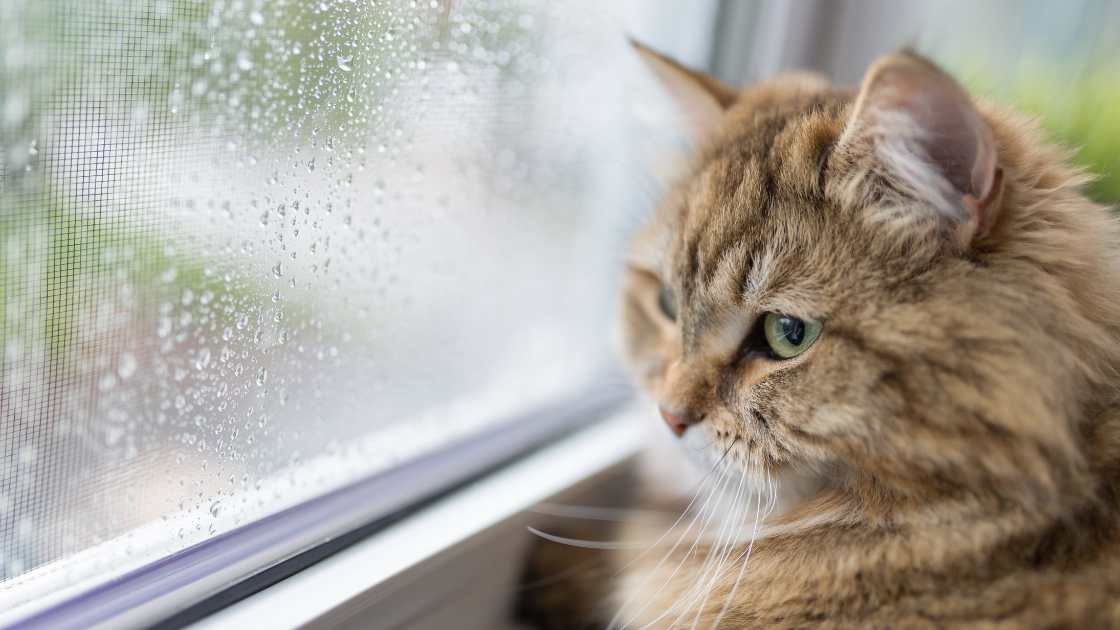
When the rain comes pouring down, it’s not just us who need to worry about getting wet. The heavy rain and possible flooding pose serious dangers to our furry friends, too.
During the rainy season, there is an increased risk of exposure to waterborne diseases from ingesting contaminated water, such as leptospirosis. It’s a disease cattos and doggos can get from stagnant water when walking outside in the rain.
Aside from this, they can get giardia, a common parasite found in puddles that cause diarrhea, vomiting, abdominal pains, and nausea. This is why during heavy rainfall and flooding, it’s crucial to keep our pets safe and dry by bringing them indoors and providing a safe haven. Afterwards, be sure to give them a bath and dry them thoroughly to avoid any potential health issues.
Typhoons and Strong Winds
The typhoon season—a time of powerful winds and potential chaos—can also cause stress to our furry friends. Just as we secure our belongings, we need to protect our pets too. Flying debris and falling objects can pose serious hazards to their safety.
As PAWrents, inviting them in and creating a safe shelter indoors and securing outdoor areas can go a long way in keeping them out of harm’s way. Remember, our pet’s safety is also our responsibility!
Thunderstorms and Lightning
Thunder and flashes of lightning can be quite the spectacle for hoomans. But for our floof babies, it’s a different story. Many dogs and cats experience anxiety and fear during thunderstorms, where they may exhibit behavioral changes and feel stressed out.
Putting up soothing music, arranging cozy hiding spots, and even giving them special anxiety wraps can help them weather the storm feeling safe and calm with you.
Temperature Drops and Cold Weather
As the temperatures drop, our furry friends may feel the chill too. The cold weather can lead to many illnesses, such as hypothermia, pneumonia, and joint pain. In order to keep them warm and cozy, PAWrents should provide them with comfy blankets and beds.
For our senior floofs or those with joint issues, consider getting joint supplements recommended by your trusted veterinarian. To make it fun, you can dress them up in adorable sweaters and boots, too—PAWshion meeting function!
Increased Humidity and Tropical Diseases
Humidity is no stranger to our tropical paradise. Unfortunately, while we are used to having humid days, it can still greatly impact our pets’ health. Increase in humidity creates a mushy breeding ground for pesky parasites, fungal infections, and irritating skin issues.
Protect your floof babies by ensuring regular flea and tick treatments, keeping their living areas clean and dry, and readily addressing any signs of infection or discomfort.
Seasonal Allergies and Respiratory Issues
Just like us, our furry friends can also suffer from seasonal allergies and respiratory issues triggered by weather changes. Sneezing, itching, and wheezing may be their way of telling us they’re not feeling their best. If you notice these symptoms, immediately consult with your veterinarians for proper diagnosis and treatment. With the right care and possibly some allergy medication, they’ll be breathing easy again.
Becoming a PAWrent also entails a lot of responsibilities, such a smacking sure that the cattos and doggos are safe, healthy, and happy. Remember, being proactive in the care of your floof babies will help you and your furry friends live the best life together. By keeping them cool during the blazing summer afternoons, dry during heavy rainfall, and secure during storms, we can ensure their safety and well-being.
Together, let’s prioritize our pets’ needs and show them the love they deserve, rain or shine!
Frequently Asked Questions
Why are heatwaves particularly dangerous for dogs and cats compared to most other domesticated animals?
Unlike humans, dogs and cats lack the ability to cool themselves efficiently through sweating — dogs release heat primarily through panting, and cats do so through minimal sweating from their paws and panting. This makes them highly susceptible to heat stroke in heatwave conditions, particularly in the Philippines where temperatures frequently exceed 35°C. Flat-faced breeds like Pugs, Bulldogs, and Persian cats face compounded risk because their shortened airways make panting less effective. Providing shade, fresh water, and avoiding outdoor exposure during peak heat hours are the critical preventive measures.
Beyond getting wet, what specific disease risks does heavy rainfall and flooding create for Philippine dogs and cats?
Floodwater in the Philippines frequently carries leptospirosis — a bacterial infection that enters the body through skin abrasions or mucous membrane contact with contaminated water and can cause severe kidney and liver damage in both pets and humans. Giardia, a waterborne intestinal parasite, is also transmitted through puddle water, causing persistent gastrointestinal illness. Dogs that walk through flooded streets are at particularly high risk. Thorough post-exposure bathing, paw washing, and preventive vaccination against leptospirosis are essential rainy season practices.
How does typhoon season specifically affect the behavioral and psychological wellbeing of indoor pets?
Typhoon conditions — sustained high winds, heavy rain, sharp lightning, and dramatic pressure changes — create a multi-sensory assault that triggers acute stress responses in dogs and cats. Dogs are particularly sensitive to barometric pressure drops that precede typhoons, often becoming anxious before the storm is visually or audibly apparent. The combination of spatial confinement, unfamiliar sounds, and owner stress creates a compounding anxiety loop. Providing structured calm routines, accessible hiding spaces, white noise, and anxiety-management tools mitigates the behavioral impact of extended typhoon seasons.
How does humidity specifically affect skin health, parasite populations, and respiratory conditions in Philippine pets?
High humidity creates optimal conditions for fungal skin infections, bacterial hot spots, and proliferation of fleas and ticks — all of which are persistent challenges for Philippine pet owners year-round but peak dramatically during the wet season. Humidity above 70% creates a near-ideal incubation environment for flea eggs and larvae, accelerating infestation cycles. For pets with existing respiratory conditions or flat-faced anatomy, high humidity reduces the effectiveness of breathing and can exacerbate chronic conditions. Regular grooming, parasite prevention, and dry living areas are the primary countermeasures.
What are the most important cold weather precautions Philippine fur parents need to take, particularly during the coldest months of December through February?
While the Philippines does not experience extreme cold, temperatures in mountainous regions and during December-February cold spells can drop to levels that cause genuine discomfort and health risk for short-haired breeds, small dogs, elderly pets, and young puppies or kittens. Orthopedic beds that insulate from cold floors, warm sleeping areas protected from drafts, and additional nutritional support to sustain the energy needed for thermoregulation are the key precautions. Senior pets with arthritis experience significantly worsened joint pain during cold periods and may require veterinary-recommended joint supplements.