We all love spoiling our doggos and cattos with unli cuddles, fun toys, and only the best cat and dog food available here in the Philippines. But there’s one hygiene practice that often gets overlooked, even by the most loving fur parents: properly cleaning our pet’s food and water bowls! It’s easy to just rinse a dish or top up a water bowl, but in the tropical climate of the Philippines, this small oversight can lead to significant problems for our pets. Let’s dive into why sparkling clean means truly sanitized, and how to keep your pup’s dining experience safe and healthy.
Why Daily Sanitization is a Must-Do!
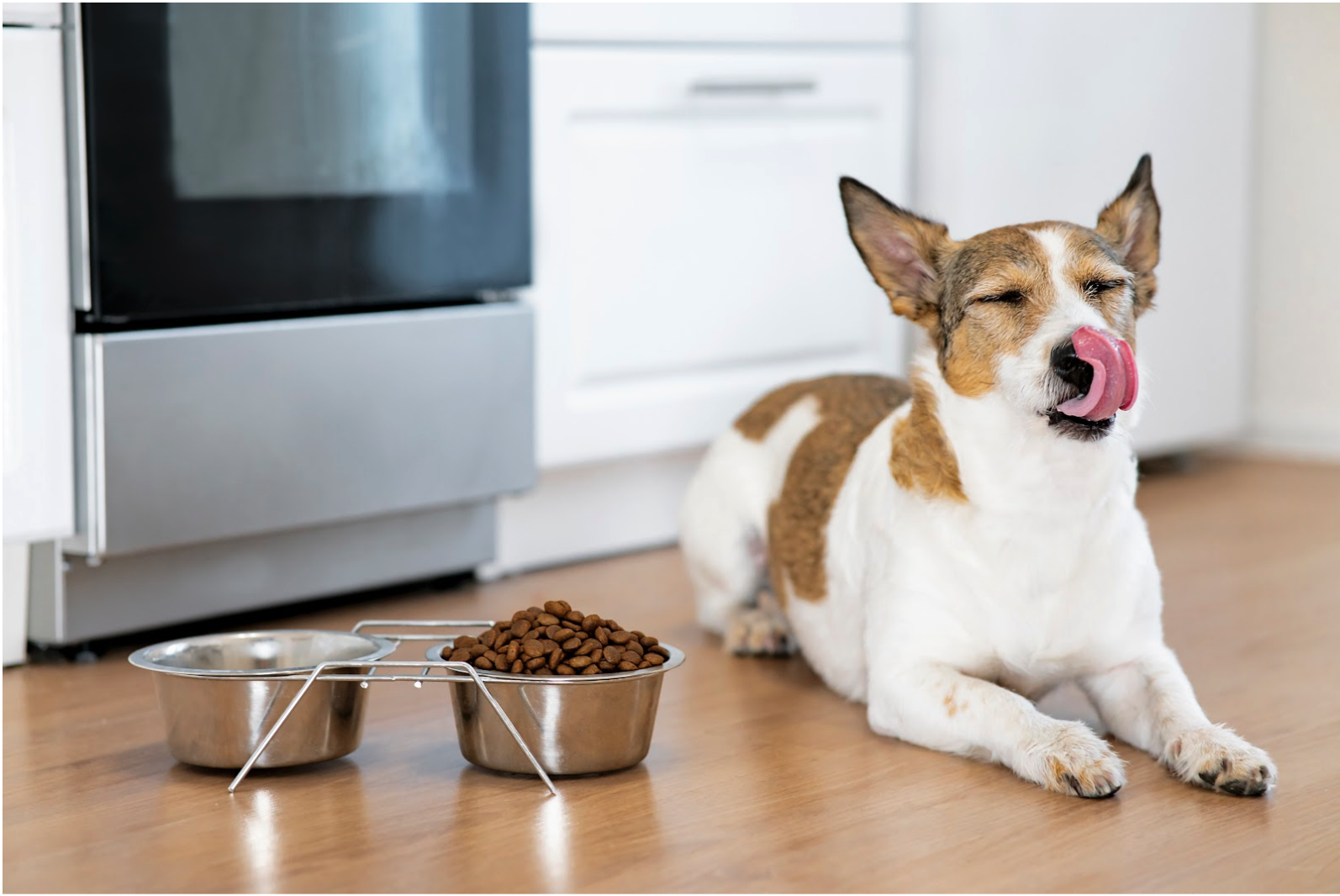
Imagine eating off the same unwashed plate day after day, just adding new food on top. Yikes, right? The same goes for our doggos! Just like our dinnerware, their bowls become a breeding ground for bacteria, mold, and yeast if not properly cleaned. These microscopic critters can cause digestive upset, skin issues, and even more serious infections.
Picture this: your doggo’s slobber, leftover food particles, and even tiny dust specks combine to create a perfect buffet for unwelcome guests. Simply rinsing might wash away visible food scraps, but it won’t eliminate the invisible bacteria lurking on the surface. And just refilling a water bowl when it’s low? That’s inviting biofilm, which is a slimy layer of microorganisms that can be detrimental to your pup’s health. For the health of your pets, true cleanliness means sanitization!
How to Properly Clean and Sanitize Bowls
Making your doggo’s bowls sparkling clean doesn’t have to be a chore! Here’s your easy, step-by-step guide:
- Daily Deep Clean (Food Bowls):
- Scrape & Rinse: First, scrape out any leftover dog food, and rinse the bowl thoroughly with warm water.
- Wash with Soap & Hot Water: Use a dedicated sponge or brush (don’t use the one for your human dishes!) and dish soap. Scrub all surfaces, paying special attention to grooves or edges.
- Rinse Thoroughly: Rinse under hot running water until all soap residue is gone.
- Sanitize: For an extra layer of protection, you can:
- Dishwasher: If the bowl is dishwasher-safe, run it through a hot cycle.
- Bleach Solution (for non-porous bowls like stainless steel, glazed ceramic, and glass): Mix 1 tablespoon of bleach with 1 gallon of water. Submerge the bowl for 10 minutes, then rinse thoroughly with clean water to remove all traces of bleach.
- Boiling Water: Pour boiling water over the clean bowl and let it sit for a few minutes (be careful!).
- Dry Completely: Air dry or use a clean, dedicated towel. Moisture encourages bacterial growth!
- Daily Water Bowl Refresh:
- Empty & Rinse: Don’t just top it up! Empty all old water and rinse the bowl.
- Wash with Soap & Hot Water: Just like the food bowl, scrub with soap and hot water daily to prevent biofilm buildup.
- Rinse & Refill: Rinse well and fill with fresh, clean water.
- Material Matters:
- Stainless Steel: The best choice! It’s durable, non-porous, and dishwasher-safe.
- Ceramic: Good, but check for cracks or chips where bacteria can hide.
- Plastic: The trickiest. It can scratch easily, creating havens for bacteria. If you use plastic, replace bowls frequently.
By making these simple practices a part of your daily routine, you’re doing wonders for your doggo’s health. A clean bowl isn’t just about good hygiene; it’s about showing your furry bestie you care about every aspect of their well-being, from the dog food they eat to the dish it’s served in. And speaking of good food, remember to choose quality pet food like Maxime, which is packed with nutritional benefits that support their overall health, ensuring they thrive from nose to tail – and from bowl to belly! Let’s keep those bowls sparkling and our doggos healthy!
REFERENCES:
8 Tips on How to Clean Dog Bowls—and Why Bacteria Alert: Why You Need to Keep Your Dirty Dog Bowls Clean How Often Should You Wash Dog Bowls for Food and Water?
Frequently Asked Questions
1. Why is simply rinsing a pet’s bowl with water not enough to keep it safe?
Rinsing only removes visible food scraps but leaves behind invisible bacteria, mold, and yeast clinging to the bowl’s surface. These microorganisms combine with saliva, leftover food particles, and moisture to form a slimy biofilm — a breeding ground for harmful pathogens. In the Philippines’ tropical climate, bacterial growth accelerates quickly, meaning a bowl that looks clean can still harbor organisms that cause digestive problems, skin issues, and serious infections in pets.
2. What is the correct step-by-step process for fully sanitizing a pet’s food bowl each day?
Start by scraping out food remnants, then rinse with warm water. Scrub all surfaces thoroughly using dish soap and a dedicated sponge — never one shared with human dishes. Rinse under hot running water until no soap remains. Then sanitize using one of three methods: run through a hot dishwasher cycle, soak in a diluted bleach solution for 10 minutes before rinsing, or pour boiling water over the clean bowl. Always air dry or towel dry completely — moisture encourages bacterial regrowth.
3. Why does the water bowl need daily washing rather than just being refilled when low?
Simply topping up a water bowl without emptying and washing it allows biofilm to build up continuously on the inner surface. This slimy bacterial layer forms even in water bowls and can contaminate every fresh refill. The correct practice is to fully empty the bowl, scrub it with soap and hot water, rinse thoroughly, and only then refill with clean, fresh water — repeating this process daily without exception.
4. Which bowl material is safest for pets and why should plastic bowls be replaced more frequently?
Stainless steel is the top recommended material — it is durable, non-porous, and dishwasher-safe, making it the most hygienic option. Glazed ceramic is a good alternative but requires regular inspection for cracks or chips where bacteria can hide. Plastic is the most problematic: it scratches easily over time and those micro-scratches become permanent harbors for bacteria that cannot be fully eliminated through washing. Plastic bowls should be replaced far more frequently than stainless or ceramic ones.
5. What role does bowl hygiene play in a pet’s overall health alongside proper nutrition?
Clean bowls and quality nutrition work together as the foundation of a pet’s wellbeing. Even the best pet food loses its benefit if served in a contaminated bowl that introduces harmful bacteria into every meal. Consistent bowl hygiene prevents digestive upset, skin infections, and avoidable vet visits. Combined with a nutritionally balanced diet, maintaining a properly sanitized food and water bowl is one of the most impactful daily habits a fur parent can practice.