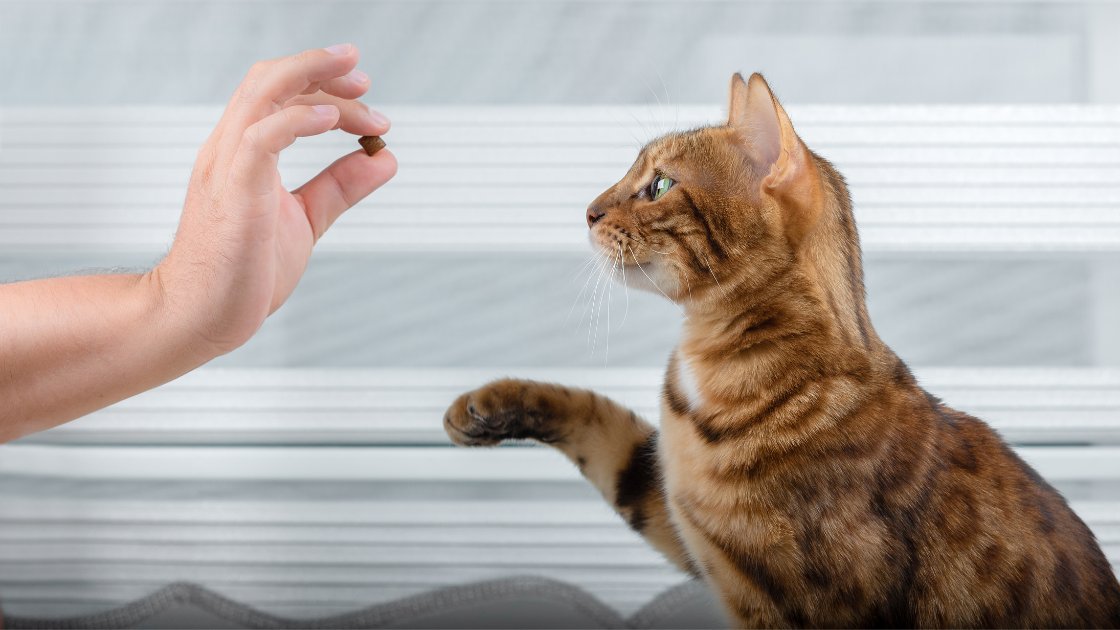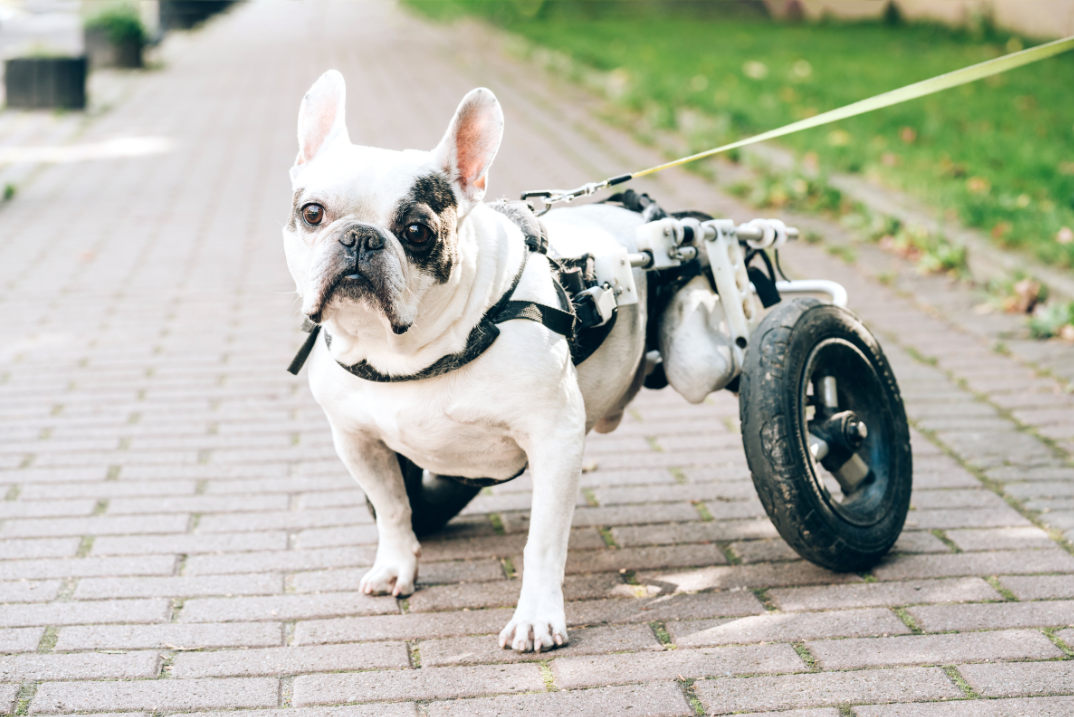

In a world where our beloved pets are cherished members of the family, finding ways to make them happy and nurture their social interactions has become every pawrent’s priority. Just like hoomans, our dogs and cats thrive on companionship and play. Organizing pet playdates for your floof babies can be a fantastic way to provide them with mental and physical stimulation while also fostering a sense of community among pet owners.
Benefits of Playdates
Playdates enhance your pet’s socialization skills and help them become more comfortable and confident around other animals and people in various instances. Frequently meeting with other pawrents and pets can reduce anxiety and aggressive behavior, which promotes a harmonious coexistence.
It’s also an excellent opportunity for your pets to engage in physical activities, such as chasing, running, and climbing. Regular exercises like these keep them fit, help maintain a healthy weight, and reduce the risk of obesity-related health issues.
Interactive play during these meetups help stimulate your pets’ minds, preventing boredom and associated behavioral problems.
Puzzles, games, and challenges during your pet playdates can help keep their cognitive skills sharp and encourage positive interactions with other animals, strengthening the bond between pets and their owners. Shared experiences also help deepen the connection between pet owners within the community.
Additionally, observing other well-behaved animals during playdates can help your pets learn good behavior habits, from sharing toys to taking turns, and many more.
Organizing Successful Playdates
Now that the benefits of playdates have been laid out, let’s discuss some key steps for organizing enjoyable and safe playdates for your floof babies!
Find Compatible Partners
Try and seek out fellow pet owners whose floofs have compatible temperaments. A rowdy and super active dog might not be the best match for a timid cat, for instance. Considering compatibility will help ensure a positive experience for all pets and pet owners involved.
Choose the Right Location
As a responsible pawrent, you must select a neutral and secure location for your playdates. These ideal spots may include your local dog parks or any enclosed backyards, as they offer ample space for play while keeping the animals contained. This is also very important for the safety of both pawrents and floofs.
Set Ground Rules
Talking about and thoroughly discussing with participating pet owners any rules or guidelines, such as vaccination requirements, acceptable behaviors, and expectations for cleaning up after pets can ensure a healthy and smooth-flowing playdate. Clear communication between pet owners can prevent misunderstandings, resulting in more recurring meetups.
Introduce the Floofs Gradually
During first sessions, make sure that your pets will meet in a controlled manner to allow them to sniff and observe each other from a distance before engaging in a direct interaction. Gradual introductions reduce stress and increase the likelihood of positive and calmer playful interactions.
Provide Interactive Toys
Bringing along a variety of pet toys that encourage shared play, like balls, ropes, and puzzle feeders can help your furry companions bond easier. These toys will not only keep the floofs entertained, but also foster cooperation and fun engagement.
Monitor Your Pets Reactions
While pets often become fast friends, it is also important to look out for their interactions and behavior throughout the playdate. Watch for signs of stress or discomfort, and be ready to intervene if needed.
Creating a Safe and Enjoyable Environment
Everyone’s safety should be highly prioritized when organizing playdates for dogs and cats. You have to always supervise the playdate to prevent any potential conflicts or accidents. Prompt intervention can defuse tense situations and maintain a positive playful atmosphere. Designating separate areas for dogs and cats during the playdate will allow them to interact without feeling threatened or overwhelmed, which when overlooked, can lead to hostility among the group.
It’s also important to take note of the nearest and easily accessible hiding spots or escape routes for cats, as they may become stressed in the presence of energetic dogs. Elevated perches or cozy corners can offer a sense of security. A similar escape or timeout plan can also apply to dogs.
Of course, your floofs wouldn’t have the energy to interact with other animals if they’re thirsty or hungry. Ensuring an adequate supply of fresh water and treats, and providing rest breaks for the pets to recharge can do wonders. Remember that playdates can be overwhelming, and pets may need moments of calm to recuperate.
Organizing pet playdates is a wonderful way to enrich their social lives and strengthen your bond with other pawrents as well. These meetups provide socialization, exercise, mental stimulation, and opportunities for pawsitive behavior modeling.
So, gather your four-legged companions and embark on a journey of fun, friendship, and furry camaraderie!
Frequently Asked Questions
1. Why does pet temperament compatibility matter more than species when organizing a playdate?
Pairing pets based on energy level and temperament — not just species — is the single most important factor in a successful playdate. A highly energetic dog matched with a calm, timid cat creates immediate stress for the quieter animal. Seeking out fellow pet owners whose animals share compatible personalities ensures a positive, low-conflict experience for everyone involved. Compatibility reduces the likelihood of aggressive responses and makes repeat gatherings far more enjoyable for both pets and their owners.
2. What makes a location ideal for a pet playdate, and why is neutrality important?
Neutral territory — like a local dog park or an enclosed backyard that neither pet considers their own — is strongly preferred. When pets play on familiar turf, territorial instincts activate, increasing the likelihood of tension or possessive behavior. A secure, contained space also prevents escape risks and allows all pets to explore and interact on equal footing. Ample space for movement is important, as overcrowded settings elevate stress levels, particularly for cats and more introverted animals.
3. Why should first-time introductions between pets always be gradual rather than direct?
Initial direct contact between unfamiliar animals — especially between dogs and cats — can trigger defensive or chase behaviors that set the relationship back significantly. Starting with distance-based observation, where pets can see and smell each other without physical access, allows them to process the new presence at a comfortable pace. A slow, controlled approach dramatically reduces stress responses and increases the probability of the relationship progressing to calm, willing interaction during subsequent meetings.
4. What role do interactive shared toys play in the success of a pet playdate?
Shared toys serve as social bridges between pets that are still building familiarity. Objects like balls, rope toys, and puzzle feeders redirect competitive energy into cooperative play, replacing the instinct to establish dominance with the motivation to engage around a shared activity. They also keep animals mentally occupied, reducing the likelihood of boredom-driven conflict. Toys that encourage parallel rather than face-to-face play are especially useful during early-stage introductions between pets who are still gaining confidence around each other.
5. What signs of stress or discomfort should fur parents watch for during a playdate, and how should they respond?
Key warning signs include flattened ears, tucked tails, excessive panting unrelated to heat, growling, hissing, freezing in place, or persistent attempts to escape the interaction. Cats in particular may seek elevated surfaces or hidden corners as retreat signals. When these behaviors appear, calmly separating the animals and providing a quiet timeout space — rather than forcing continued interaction — is the correct response. Recognizing and acting on these early signals prevents minor tension from escalating into genuine conflict.