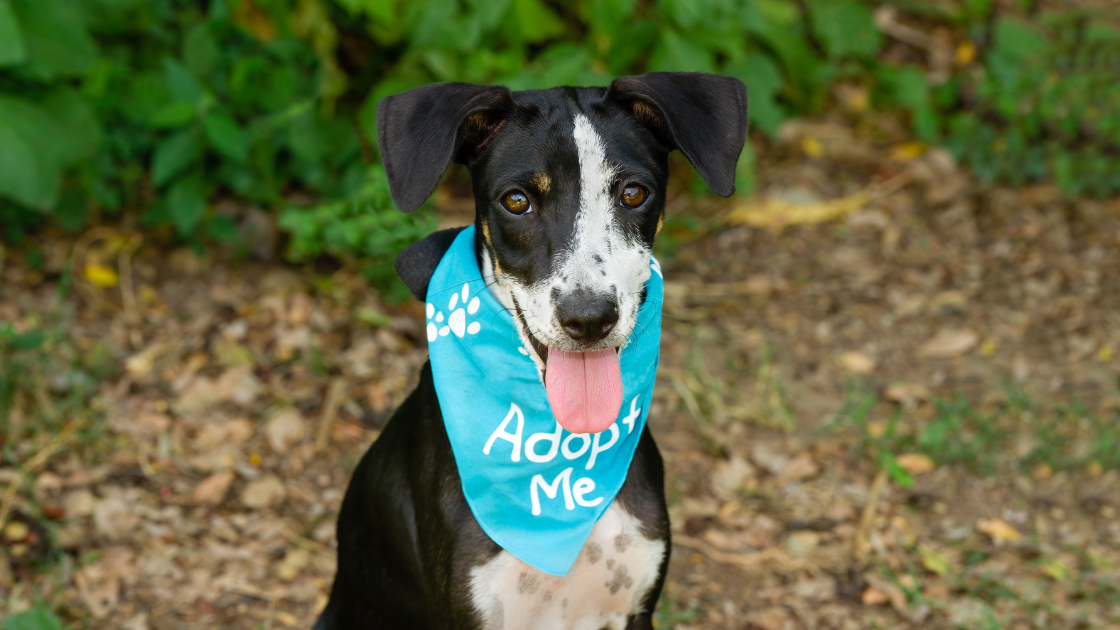

It’s time to take serious, pawsitive action, pawrents! Cancer might sound scary, but knowing the facts is your superpower in keeping your beloved doggos and cattos safe and thriving. We know you want your furry bestie living their best life, full of zoomies and purr-fect cuddles, so let’s sniff out the signs and learn how to protect them!
Spotting the Signs of Trouble
Early detection is the ultimate pawsome win! Be your pet’s best advocate by knowing these common warning signs:
- The Mystery Lump/Bump: Any new or growing lumps or swollen areas under their skin or anywhere on their body. Don’t ignore those strange bumps!
- The Dinner Strike/Weight Woes: A sudden, lasting loss of appetite, difficulty eating, or unexplained weight loss, even if they’re eating normally.
- The Stinky Secret: Unusual, persistent odors from their mouth (bad breath!), ears, or any body part.
- The Slow Fix: Wounds, sores, or scratches that just won’t heal or seem to be growing.
- The Skip in Their Step: New or worsening limping, stiffness, or reluctance to play or jump.
- The Heavy Huff/Cough: Trouble breathing, persistent coughing, or unusual panting.
- The Potty Problem: Big changes in bathroom habits (frequency, difficulty, or accidents).
- Energy Zapped: A noticeable drop in energy, less interest in playtime, or just more sleeping than usual.
If you spot any of these, don’t play guessing games—call your vet for a check-up, ASAP!
How Do Our Furry Besties Get Cancer? (And What Can We Do?)
Just like with us hoomans, cancer in pets is complex! It’s often a combination of factors, not one single “bad thing.”
- Genetics: Some breeds are simply more prone to certain cancers (think Golden Retrievers, Boxers, Siamese cats).
- Age: Cancer risk increases in their golden years. In fact, studies show that 50% or half of dogs over 10 years old may develop cancer.
- Environmental Factors: Exposure to secondhand smoke, certain chemicals, or even excessive sun exposure can play a role.
- Viruses: For cattos, the Feline Leukemia Virus (FeLV) and Feline Immunodeficiency Virus (FIV) are strongly linked to certain cancers. Vaccinations can help!
- Hormones: Spaying/neutering can reduce the risk of certain reproductive cancers (like mammary tumors) in both doggos and cattos.
While we can’t control genetics, we can be proactive about their environment and lifestyle!
Treatment and Prevention Power-Ups

Hearing “cancer” is scary, but advances in veterinary medicine mean there are more options than ever.
- Treatment Options: Depending on the type and stage, treatments can include surgery, chemotherapy, radiation, and even targeted therapies. Your vet will create a personalized plan for your furry bestie.
- Prevention is Key (Where Possible!):
- Healthy Weight & Exercise: Keep your doggo and catto at a healthy weight with regular play and exercise.
- Quality Nutrition: Feed a balanced, high-quality diet like Maxime! Real nutrients support overall health and a strong immune system.
- Regular Vet Check-ups: Don’t skip those yearly (or bi-yearly for seniors!) vet visits. They’re crucial for early detection.
- Spay/Neuter: Discuss with your vet the benefits of spaying or neutering to reduce cancer risks.
- Limit Toxins: Keep harmful chemicals, pesticides, and secondhand smoke away from your pets.
- Sun Safety: Avoid excessive sun exposure, especially on their noses and ears.
By staying vigilant and proactive, you’re giving your doggos and cattos the best chance at a long, healthy, and happy life, full of tail wags and purrs!
Frequently Asked Questions
What proactive steps can pet owners take to reduce cancer risk and support early detection?
Maintaining a healthy weight through regular exercise, feeding a balanced high-quality diet, limiting exposure to toxins and secondhand smoke, and protecting pets from excessive sun exposure all help reduce risk. Spaying or neutering can lower the chance of reproductive cancers. Annual vet visits — and twice-yearly check-ups for senior pets — are essential for catching early changes that owners might not detect at home.
Why is early detection of cancer so important for dogs and cats?
Cancer is one of the leading health concerns in pets, with studies indicating that half of dogs over ten years old may develop it. Early detection dramatically improves treatment outcomes and gives veterinarians more options to intervene effectively. Many warning signs are subtle and gradual, making regular observation and routine vet visits the most powerful tools a pet owner has to catch the disease before it progresses.
What physical warning signs should pet owners watch for that may indicate cancer?
Key physical signs include new or growing lumps under the skin, wounds or sores that refuse to heal, unexplained weight loss even with normal eating, persistent bad breath or unusual body odors, and visible changes in the nose or ears. These signs do not always confirm cancer, but any that persist or worsen should prompt an immediate veterinary consultation rather than a wait-and-see approach.
What behavioral and functional changes can signal cancer in pets?
Beyond physical lumps, cancer can also manifest through behavioral shifts: noticeable drops in energy or interest in play, new or worsening limping and stiffness, reluctance to jump or move, persistent coughing or labored breathing, and significant changes in bathroom habits such as difficulty urinating or unexplained accidents. Any combination of these changes, especially in older pets, warrants a prompt veterinary check-up.
What factors increase a pet’s risk of developing cancer?
Several risk factors contribute to cancer in pets. Genetics plays a role — certain breeds such as Golden Retrievers, Boxers, and Siamese cats carry higher predispositions. Advancing age raises risk significantly. Environmental exposures including secondhand smoke, pesticides, and excessive sun on ears and nose are contributing factors. In cats, the Feline Leukemia Virus and Feline Immunodeficiency Virus are directly linked to specific cancer types.
REFERENCES:
American Veterinary Medical Association (AVMA): Cancer in Animals. (www.avma.org)
Veterinary Cancer Society (VCS): Pet Owner Information. (www.vetcancersociety.org)
Cornell University College of Veterinary Medicine: Feline Oncology. (www.vet.cornell.edu)
PetMD: Understanding Cancer in Dogs and Cats. (www.petmd.com)
AKC Canine Health Foundation: Canine Cancer. (www.akcchf.org)