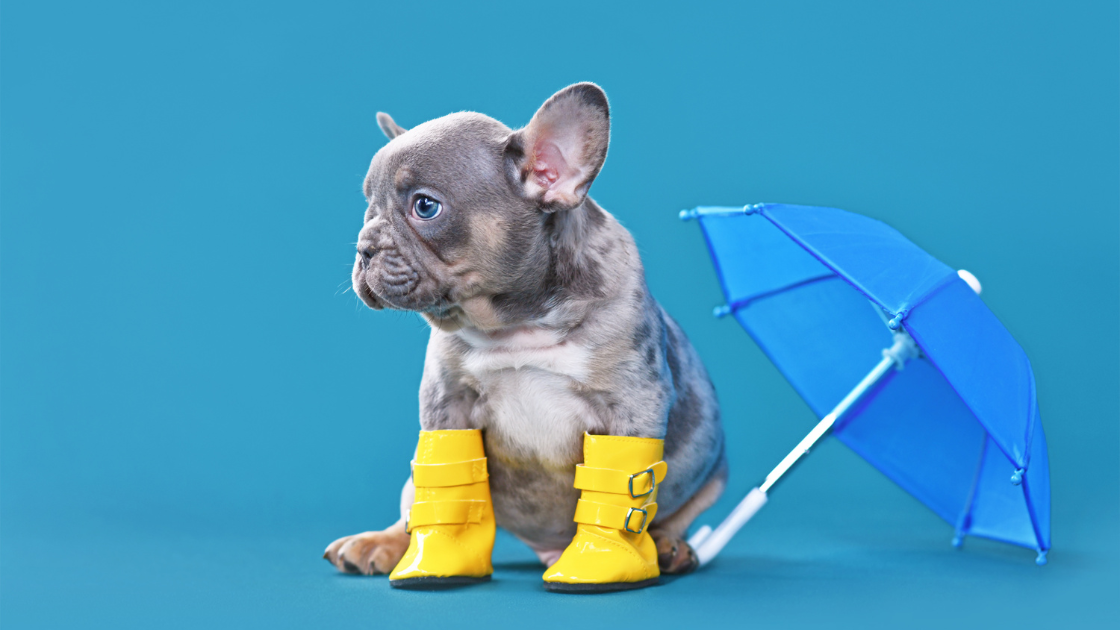

Traveling with your beloved pets can be an exciting adventure. Your furry companions can make your trips even more enjoyable. However, it requires careful planning and packing to ensure that your pets are safe, comfortable, and well-cared for during your journey. In this ultimate pet travel guide, we’ll help you prepare with a comprehensive checklist of pet essentials.
Pre-Travel Preparations
Before embarking on your adventure, several pre-travel preparations are essential. Ensure that you’re aware of the pet travel regulations, and make any necessary veterinary appointments. Additionally, your pet’s ID tags should be up-to-date. By following these tips, you can have a stress-free travel experience.
The Dog Needs List
When traveling with your dog, it’s crucial to have all the essentials at your disposal for a smooth and enjoyable journey.
Start with a sturdy leash and a well-fitted collar to ensure your dog’s safety. Bring along their regular food and some treats to maintain their diet, and don’t forget to carry fresh water and a collapsible bowl to keep them hydrated.
An identification tag with your contact details and health records should be on hand, just in case. Pack a familiar bed or blanket to provide comfort and a few favorite toys to keep them entertained.
Waste bags are a must for clean-ups. Basic grooming supplies like a brush and wipes are essential for quick clean-ups.
A pet-friendly first aid kit should also be in your travel bag, along with secure restraints for your dog in the car.
Plan for pet-friendly accommodations and ensure your dog gets regular exercise during the trip.
Consider stress relief remedies such as calming treats or a pheromone spray, and have an emergency plan in case your dog becomes anxious or ill during the journey.
The Cat Essentials List
When embarking on a vacation with your feline friend, packing the right essentials is crucial to ensure their comfort and well-being.
Begin with a secure and comfortable cat carrier for stress-free travel. Along with this, bring a harness and leash if you plan to let your cat explore during rest stops.
Ensure you have enough of your cat’s regular food to last the trip and carry treats as well. Remember to pack a compact water bowl and fresh water to keep your cat hydrated.
Don’t forget an identification tag with your contact information, in case your cat gets lost.
Bring along a familiar bed or blanket to provide a sense of security and some favorite toys to keep them entertained.
Litter box and extra litter are essential, along with waste bags for easy disposal. Grooming supplies like a brush and cat wipes can help keep your feline friend fresh.
A pet-friendly first aid kit with items such as nail clippers, antiseptic wipes, and tweezers should also be included.
Ensure that your accommodations are cat-friendly, and make sure your cat gets opportunities for exercise and play.
Consider stress-relief aids, like calming treats or a pheromone spray, and have an emergency plan in case your cat becomes jittery or unwell during the journey.
Pet-Friendly Accommodations
If you’re staying overnight at a hotel or rental property, make sure it’s pet-friendly. Contact accommodations in advance to inquire about their pet policies and any additional fees. Find a comfortable space where your pet can relax and enjoy the trip as much as you do.
In-Transit Pet Care
While on the road, be mindful of your pet’s well-being. Ensure that your pet is securely restrained during travel, whether it’s with a leash, harness, or pet carrier. Make regular stops to let your pet stretch and eliminate. Provide food, water, and a cozy resting place in your vehicle.
Pet Food and Nutrition on the Road
Proper nutrition is a crucial aspect of ensuring your pet’s well-being during your travels. To make this easier, consider Maxime Pet Food, which is enriched with essential nutrients and minerals which help strengthen your pet’s immune system, enhance nutrient absorption, and overall well-being.
Keeping your pet’s regular feeding schedule as closely as possible provides comfort and helps prevent digestive issues on the road. Be sure to pack their familiar dry kibble or canned food to avoid tummy upsets.
Pet-Friendly Activities
Traveling with pets can be a lot of fun. There are plenty of pet-friendly activities and destinations to explore. Visit pet-friendly parks, beaches, or hiking trails. Engage in activities that both you and your pets can enjoy.
Enjoy your vacay with your fur baby!
Going on a vacation adventure with your fur babies is an incredible experience that can strengthen your bond. With thorough pre-travel preparations, the right pet travel essentials, and a focus on their nutrition, you can ensure a safe and enjoyable journey for your beloved furry companions.
Remember that high-quality pet food like Maxime enriches your pet’s health, providing essential nutrients and minerals, making your adventure together a truly memorable one. So, pack your bags, grab your pets, and embark on an unforgettable journey with your four-legged family members.
Frequently Asked Questions
What pre-travel preparations are legally and medically required before traveling with pets in the Philippines?
Before any trip, fur parents must verify current pet travel regulations — particularly requirements from the Bureau of Animal Industry (BAI) for inter-island or international travel. This includes ensuring vaccinations are up to date, obtaining a valid health certificate from a licensed veterinarian, and confirming that identification tags and microchip records are current. Failure to comply with official pet movement requirements can result in travel being denied or the pet being quarantined, making advance regulatory compliance a non-negotiable first step.
What are the essential items in a dog-specific travel kit that differ from everyday at-home supplies?
Travel requires portable, travel-optimized versions of everyday necessities. A collapsible water bowl and sealed water supply address hydration on the road. A secure car restraint system — harness, crate, or seat belt attachment — keeps the dog safe in transit and is legally required in many regions. A pet-specific first aid kit addresses minor injuries away from the usual vet. Waste bags, grooming wipes, and a familiar-smelling blanket round out the kit, with the blanket serving as a portable comfort anchor in unfamiliar environments.
How do cats’ travel needs differ from dogs’, and what specific items are critical for feline comfort during a trip?
Cats are significantly more sensitive to environmental change than most dogs. A secure, well-ventilated carrier is the single most important piece of cat travel equipment — it provides a predictable, contained space in an otherwise unpredictable environment. A portable litter box and sufficient litter are essential, as cats will not use an unfamiliar or unsuitable elimination space. A familiar blanket or worn item of the owner’s clothing provides olfactory comfort. Unlike dogs, cats should generally not be permitted to roam freely in a moving vehicle under any circumstances.
Why is maintaining a pet’s regular diet and feeding schedule especially critical during travel?
Travel is inherently stressful for pets, and the digestive system is highly responsive to stress. Introducing a new food simultaneously with the stress of travel is a reliable formula for gastrointestinal upset — vomiting, diarrhea, and appetite loss. Bringing sufficient quantities of the pet’s regular food eliminates one major variable from an already disrupted routine. Maintaining the usual feeding schedule also provides a predictable rhythm that helps regulate the pet’s stress response, signaling through consistency that the day is proceeding normally despite the unfamiliar surroundings.
What should fur parents look for when selecting pet-friendly accommodation, and what questions must be asked in advance?
Pet-friendly labeling covers a wide spectrum — some properties welcome pets fully, others impose strict size limits, breed restrictions, or confine pets to specific areas. Key questions to confirm before booking: whether pets are allowed in sleeping rooms or only common areas; whether there are additional fees per night or per pet; whether outdoor access is fenced and secure; and whether housekeeping will enter the room while pets are present. Confirming these details before arrival — not at check-in — prevents stressful disputes that disrupt both the trip and the pet’s sense of security.