In many Filipino households, it’s common for dogs to eat table scraps given by their hoomans. Food combos are often a scoop of rice and leftover ulam from lunch or dinner. While it might seem practical, this habit may be doing more harm than good to our beloved four-legged floofs.
In this article, we’ll discuss the foods that should be avoided for dogs, and provide you with tips for a smooth transition from table food to dog food for your doggos.
1. The Truth About (“Ulam”) Table Food
What’s delicious to us—like fried chicken, adobo, or sinigang—can be too salty, fatty, or toxic for dogs. Fried chicken, if given with bones, can splinter and cause choking or internal damage. Foods like grapes, raisins, chocolate, onions, garlic, xylitol (artificial sweetener), alcohol, anything with MSG, and avocado are toxic to dogs and should NEVER be given. These foods can irritate a dog’s digestive system or even lead to serious health issues over time.
2. Stomach Issues
Does your dog experience frequent loose stool, excessive gas, or dull fur? These can often be traced back to inconsistent or poor-quality diets. Ulam doesn’t offer consistency in nutrients, which can lead to tummy troubles and coat issues.
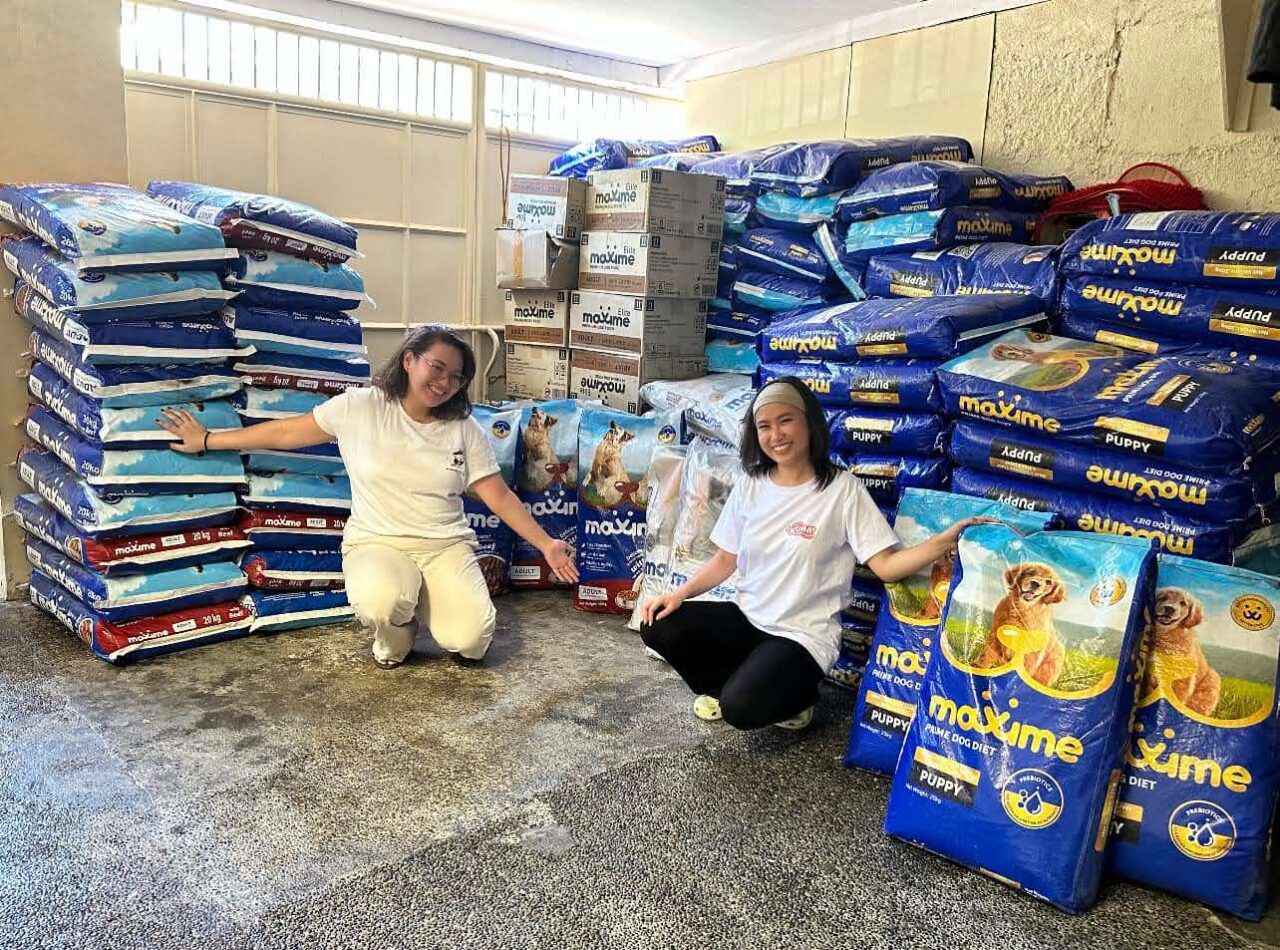
Maxime contains prebiotics and high-quality proteins to support healthy digestion and a shinier coat—so your dog feels and looks their best, every day.
3. It Can Lead To Begging Behavior and Dog’s Weight Gain
One time, when I was eating chicken, my dog was immediately drawn to the smell. That is another concern when it comes to table food. It reinforces begging behavior and can lead to weight gain. With those adorable eyes begging me for a bite, how can we, as fur parents, resist?
The answer is: we must resist giving in. While you might think it’s adorable, small or frequent bites can quickly add up to their weight, which can lead to a whole host of health problems, like arthritis and diabetes. According to UC Davis School of Vet Medicine, dogs should never consume more than 10% of their daily caloric intake from treats or other human foods.
4. Dog Food Is More Practical Than You Think
Many pet parents think that dog food is more expensive than table food. But the truth is, you end up spending more on vet bills when your dog’s health suffers from a poor diet.
With Maxime, every kibble delivers precise nutrition from high-quality ingredients, including Yucca Schidigera for odor reduction, prebiotics, omega-3 & 6, and other antioxidants to help your furry best friend receive the best care possible.
5. Love Means Choosing What’s Best
Feeding your dog isn’t just about giving them food—it’s about showing love through care. Maxime makes that easy. With a range of flavors, sizes, and formulas, your dog will enjoy every bite—while you enjoy the comfort of knowing you’re doing what’s best.
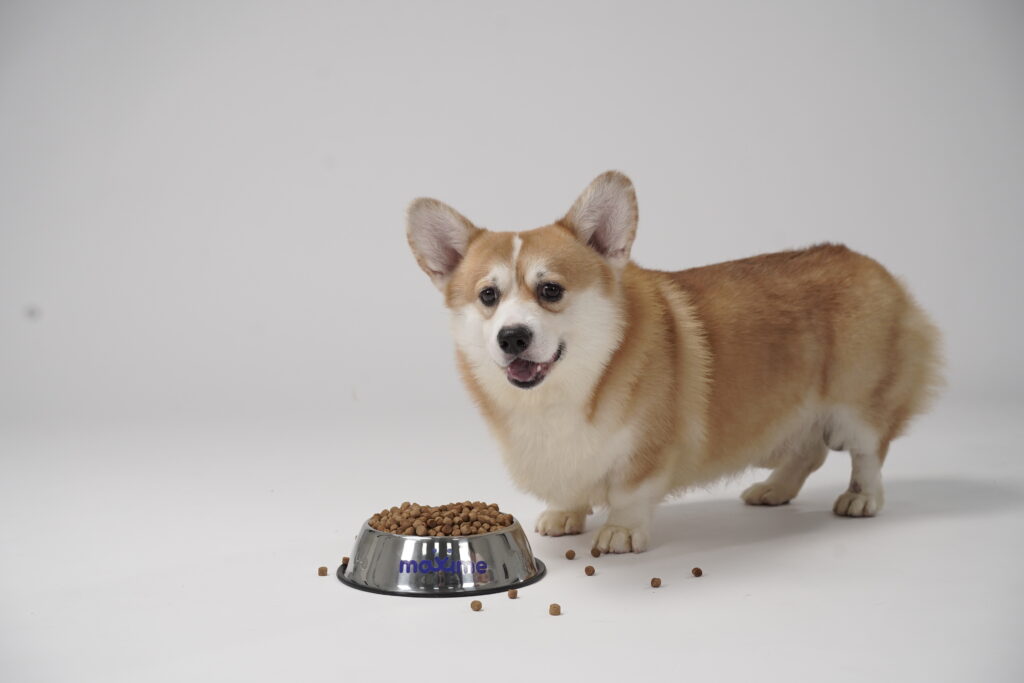
Make The Switch to Maxime Today
A growing puppy and an active adult have different dietary needs. From puppyhood to adulthood, Maxime offers premium and standard ranges that cater to your furry bestie’s appetite. Once you’ve chosen the right Maxime variant for your dog’s life stage, the next step is making the switch the right way.
Transitioning your dog’s food requires patience and care, and Maxime is here to support you throughout the process. Follow our 7-day transition plan to help your dog adjust without upsetting their tummy. See our packaging to know the proper transition plan. In the transition phase, monitor your dog’s stool for changes and reactions, adjusting the pace as needed.
Your dog deserves more than leftovers. Make the switch from ulam to Maxime and #LiveTheBestLifeTogether.
Order Maxime Dog Food online here: https://maxime.asia/ph/store/
Frequently Asked Questions
Do dogs and cats actually have distinct love languages, and how do they differ from each other?
Yes — both dogs and cats express and receive affection, but through different behaviors shaped by their nature. Dogs tend to be more overtly demonstrative: tail wags, happy jumps, leaning against their owner, and following them everywhere. Cats are more selective and subtle — a head bump, a slow blink, or simply choosing to sit nearby carries significant emotional weight. Understanding these species-specific differences helps fur parents respond appropriately rather than misreading their pet’s emotional signals.
What does it mean when a dog brings its owner a random object like a slipper or a toy?
Gift-giving is a genuine love language for dogs. When a dog brings an object to greet its owner — regardless of how random or chewed up that item is — it is expressing excitement, affection, and a desire to share something meaningful. This behavior stems from deep pack instincts: offering something of value is how dogs communicate care. Rather than dismissing it, acknowledging the gesture warmly reinforces the dog’s sense of connection with its owner.
How does tone of voice function as a love language between pets and their owners?
Pets do not parse human vocabulary the way people do — what registers most deeply is tone, pitch, and emotional quality. A warm, calm, and gentle speaking voice signals safety, trust, and affection. Conversely, a sharp or tense tone creates anxiety, even if the words themselves are neutral. Regularly talking to pets in soft, affirming tones — during feeding, grooming, or simply passing by — builds a cumulative sense of security that strengthens the bond over time.
Why is quality time considered the most universal love language across both dogs and cats?
For dogs, shared activities — walks, play sessions, fetch — create positive emotional associations that reinforce trust. For cats, quality time looks different: simply being in the same room, reading quietly while the cat rests nearby, carries deep relational meaning. In both cases, the common denominator is undivided presence. Pets are acutely sensitive to distracted or obligatory attention. Genuine, focused time spent together — without phones or distractions — is consistently the most meaningful investment in any pet relationship.
How do acts of service — like grooming and feeding — function as a love language pets actually recognize?
Consistent acts of care communicate reliability and devotion in a language all pets understand. Regular grooming removes discomfort and signals attentiveness. Feeding on a dependable schedule creates a rhythm of trust — the pet learns the owner is dependable. For cats especially, refilling their bowl consistently is one of the clearest signals that their owner is trustworthy. These daily acts build an emotional vocabulary of care that goes far beyond the physical benefits of grooming or nutrition alone.