Caring for a pet is a heartwarming journey filled with love and companionship. How to care for pets, especially those with special needs and disabilities, is a topic of growing importance. These remarkable animals require unique attention, which in turn strengthens the bond we share with them.
In this article, we’ll explore the world of special needs pets, discussing their adaptability, challenges, and the care they need. For those seeking guidance on how to care for pets with special needs, we have you covered.
Understanding Special Needs Pets
Special needs pets, including dogs and cats with disabilities, deserve a special place in our hearts. They come in various forms, from those with mobility issues to those with sensory impairments. The challenges they face are as diverse as their abilities. Understanding these pets begins with appreciating their unique qualities.
These pets have an extraordinary adaptability. They learn to navigate the world in their own way, proving that disabilities don’t define their spirit. As “fur”-rents, it’s crucial to be patient and compassionate while providing the necessary care for these little angels.
Caring for disabled pets involves acknowledging their limitations, without letting those affect their life and joy.
Creating a Supportive Environment
Creating a supportive environment is essential for special needs pets. Our homes should be 100% safe and secure.
Think about simple modifications to make your living space more disability-friendly.
- Ramps and low platforms are excellent for pets with mobility issues.
- Provide sturdy handrails for stability and ensure that no sharp edges stand in their way.
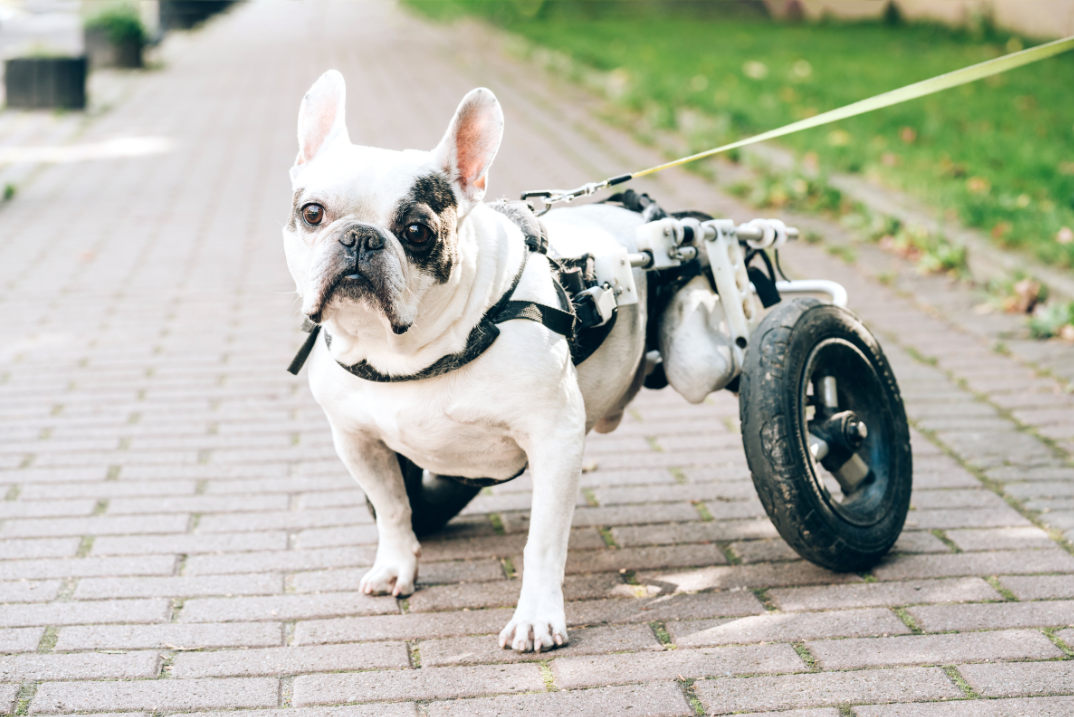
- Supportive tools and equipment can enhance a pet’s life. Items like pet wheelchairs and harnesses allow disabled pets to enjoy their lives to the fullest.
- Adjust your home with nonslip flooring to aid pets with mobility challenges.
- Lastly, pay attention to your pet’s comfort and ease of mobility, and tailor your home accordingly.
Proper Nutrition and Feeding
Proper nutrition is crucial for all pets, but it’s especially important for those with disabilities. Their dietary needs may vary depending on their specific condition. Look for nutrient and vitamin-rich pet food that supports their overall health.
Consider Maxime Pet Food’s nutrient-dense, formula-based cat and dog food, known for its immunity support, weight control, and urinary health benefits. All these ingredients are naturally derived and are ensured to suit your pet’s varying nutritional requirements.
Just to be sure, consult with your veterinarian to determine the most suitable diet for your furry friend.
Physical and Mental Stimulation
Disabled pets still need physical and mental stimulation. Regular exercise is essential for their overall well-being. Seek adaptive play activities that accommodate their disabilities. Using interactive toys and games can engage them both mentally and physically, which can also improve your pet’s overall disposition and mood.
Adaptive exercises might include gentle playtime or simple walks. Consider puzzle toys that stimulate their minds. Engaging with your special needs pet in these activities can be incredibly rewarding and beneficial for their health (and not to mention yours too!)
Health Care and Regular Check-ups
All pets need routine veterinary care, and special needs pets are no exception. Regular check-ups are vital to catch and address any emerging issues early.
Common health problems faced by special needs pets may include joint pain, skin irritations, or urinary concerns. Preventive care and early intervention can make a significant difference in their quality of life.
Some special needs pets require specialized treatments. Your veterinarian can provide tailored advice on managing your pet’s health. Ensure that you follow your veterinarian’s recommendations for medications, supplements, and any necessary therapies.
Special Pets Need a Special Kind of Love
Caring for special needs pets, whether they are handicapped dogs or cats with disabilities, is a rewarding journey that deepens the bond you share. As you navigate the unique challenges, remember that patience, love, and proper care are your most valuable tools.
By creating a supportive environment, ensuring proper nutrition, providing physical and mental stimulation, and prioritizing regular veterinary care, you can help your special needs pet lead a fulfilling and happy life. For those considering pet care for special needs pets, this journey offers a unique opportunity to make a positive impact.
As you care for your furry friend, don’t hesitate to explore further resources and seek advice from veterinarians who specialize in the care of special needs pets. Together, you and your beloved pet can overcome any obstacle, proving that disabilities are no match for the power of love.
Caring for special needs pets is not just a duty; it’s a privilege. It’s a path to a deeper connection and a testimony to the unwavering spirit of our beloved furry companions.
Frequently Asked Questions
1. What does it mean for a pet to have special needs, and how common is it?
Special needs pets include dogs and cats with mobility impairments, sensory disabilities such as blindness or deafness, chronic health conditions, or neurological differences. These animals are more common than many people realize and are frequently available in shelters. What distinguishes them from typical pets is not their capacity for love or companionship — which is equal or often greater — but the type of care and environmental adjustments they require from their owners.
2. How should a home be modified to safely accommodate a pet with mobility challenges?
Effective home modifications for mobility-impaired pets include installing ramps or low platforms to replace steps, fitting nonslip flooring to prevent falls and improve traction, removing sharp-edged furniture or obstacles from high-traffic areas, and providing sturdy handrails for stability where needed. Assistive equipment such as pet wheelchairs and body harnesses can significantly extend a mobility-impaired pet’s ability to move independently and participate in daily activities. The goal is an environment that reduces risk while maximizing the pet’s freedom and confidence.
3. Do special needs pets have different nutritional requirements?
Yes, potentially. Depending on the specific condition, a special needs pet may require a diet tailored to support joint health, weight management, immune function, or urinary health. Pets with reduced mobility, for example, may be prone to weight gain, which places additional strain on already compromised joints. A veterinarian should always be consulted to determine the most appropriate dietary approach, as nutritional needs vary significantly depending on the individual animal’s diagnosis and overall health status.
4. Can special needs pets still enjoy physical and mental stimulation?
Absolutely. Disability does not eliminate the need for engagement — it simply requires adaptation. Gentle or modified playtime, puzzle toys that stimulate problem-solving, short walks at a comfortable pace, and interactive games can all be adapted to suit a pet’s specific limitations. Mental stimulation is especially valuable for pets whose physical activity is restricted, as it supports psychological wellbeing, reduces boredom-related behaviors, and strengthens the emotional bond between pet and owner.
5. How often should special needs pets visit the veterinarian, and why?
Special needs pets typically require more frequent veterinary monitoring than healthy pets. Regular check-ups allow for early detection of secondary conditions that can develop as a result of a primary disability — such as joint deterioration, pressure sores from limited mobility, or skin and urinary issues. A veterinarian familiar with the pet’s specific condition can provide tailored guidance on medication, therapeutic interventions, and preventive care strategies that make a meaningful difference to the pet’s quality and length of life.