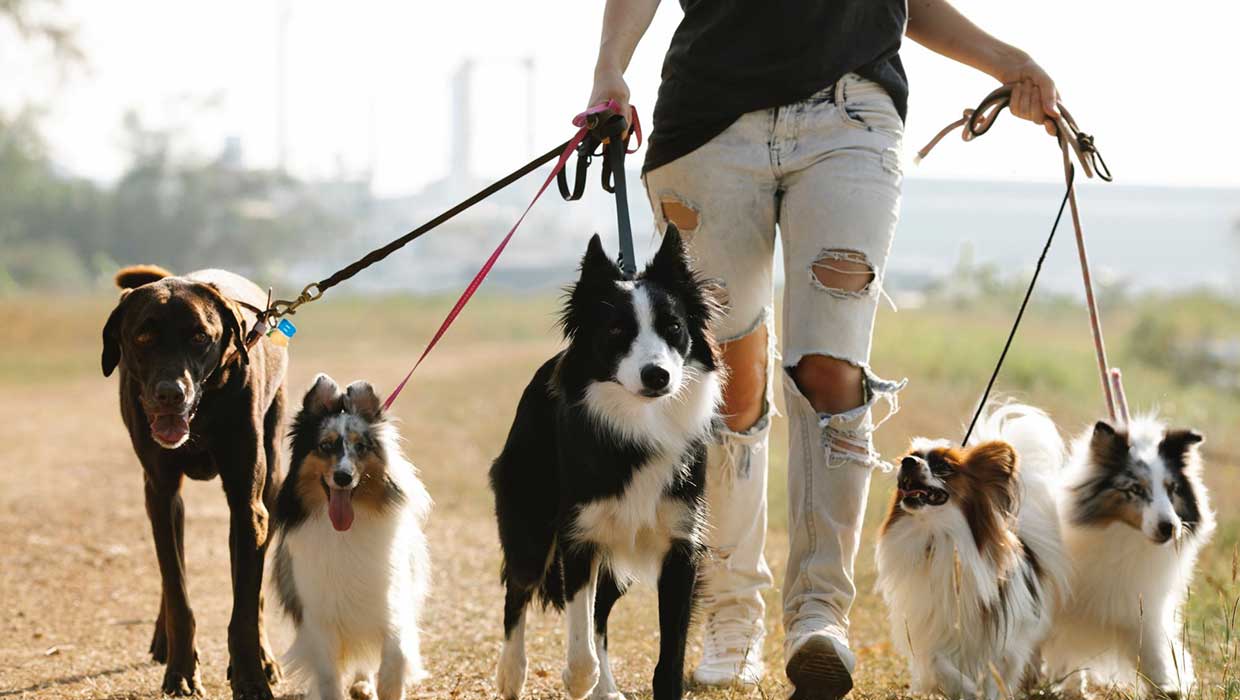
Regular dog walking is not just about giving your four-legged friend some exercise and a bathroom break. It offers a wide range of benefits for both you and your furry companion’s overall well-being. Let’s explore why dog walking is essential and how it can positively impact your dog’s physical and mental health.
Physical and Mental Exercise for Both of You
Daily walks provide crucial physical and mental stimulation for your dog. When dogs spend too much time indoors without adequate activity, they can become bored and develop behavioral issues like excessive barking, digging, or destructive habits. As a responsible pet owner, it’s essential to keep your dog engaged and mentally stimulated. Going for walks allows them to explore the world around them, which makes them happier and can prevent health problems like obesity. An active dog is a content dog!
Strengthening the Bond
Walking your dog is more than just an opportunity for physical activity; it’s a chance to bond and connect with your furry friend. Participating actively during walks builds trust and confidence in your dog, which is especially important as they grow up. While you’re out together, try to minimize distractions and focus on the shared experience. Breathing in fresh air and enjoying the stroll together can create a deeper bond between you and your four-legged companion.
Socialization Practice
During your dog walking adventures, you and your pup are likely to encounter other people and dogs. This presents a valuable opportunity for your dog to socialize, sniff around, and explore new surroundings. Socialization is crucial for your dog’s well-being, as it helps them develop friendliness instead of fearfulness when confronted with new situations. Interacting with others while on walks contributes to having a well-behaved and well-adjusted dog.
Training Opportunities
Make the most of your dog walking sessions by using them as opportunities for training. While outside, you can teach your dog new commands and reinforce acceptable behaviors. With consistent training during walks, your dog will learn to follow commands even off-leash, making your outings more enjoyable and safer for everyone.
Remember: Tailor the Exercise to Your Dog’s Needs.
It’s essential to consider your dog’s specific exercise needs, which can vary depending on their age and breed. As a general rule, aim for at least 30 minutes of outdoor activity every day. Smaller breeds with shorter legs may not require as much walking as larger dogs. Meanwhile, younger dogs, hounds, herding breeds, and sporting dogs may benefit from more extended walks. If you’re unsure about your dog’s exercise requirements, consult your veterinarian for personalized advice.
After a satisfying walk, treat your furry friend to a nutritionally-balanced meal from Maxime Dog Food. Their favorite meal will not only replenish their energy but also contribute to their overall well-being, helping you both #LiveTheBestLifeTogether with your beloved canine companion!
Frequently Asked Questions
1. Why is daily dog walking considered essential for behavioral health rather than simply a physical exercise routine?
Dogs that do not receive sufficient daily walks commonly develop behavioral problems — excessive barking, destructive chewing, digging, or persistent restlessness — that are direct expressions of unmet physical and cognitive stimulation needs. Walks provide sensory enrichment through novel smells, sights, and sounds that cannot be replicated in a confined indoor environment. A dog that receives consistent outdoor stimulation uses its brain actively, arrives home genuinely tired, and is significantly less prone to the boredom-driven behaviors that many fur parents mistakenly attribute to temperament rather than insufficient activity.
2. How does the shared experience of dog walking specifically strengthen the human-dog relationship differently from other forms of interaction?
Walking creates a side-by-side movement dynamic that mirrors natural cooperative pack behavior — both dog and owner moving through the environment together builds trust and shared confidence in a way that stationary play does not. This joint navigation of external stimuli — encountering the same sounds, people, and unfamiliar objects together — creates shared experiences that deepen relational bonds. The physical proximity and consistent attentiveness required during walks also communicates reliable presence and leadership, both of which are foundational to a dog’s sense of security with its owner.
3. Why are dog walking sessions specifically recommended as training opportunities, and what makes them more effective than indoor-only training?
The outdoor environment provides the distractions that real-world obedience requires — other dogs, moving vehicles, unfamiliar people, and environmental sounds all test whether commands have been internalized beyond the controlled home setting. A dog that responds to “Come” or “Heel” consistently at home but fails to do so outdoors has not truly mastered the command. Regular training reinforcement during walks builds the reliability gap between controlled and real-world environments, producing dogs that respond dependably in the situations where obedience matters most for safety.
4. How should a fur parent in the Philippines adapt their dog walking routine to account for the country’s climate and seasonal conditions?
Philippine temperatures regularly exceed 35°C, making midday and early afternoon walks genuinely dangerous for dogs that can quickly overheat. Early morning walks before 8 AM or evening walks after 5:30 PM are the recommended windows. Hot pavement causes paw pad burns that are painful and slow to heal — testing the surface temperature with the back of the hand before each walk is a simple precaution. During typhoon season, the walk route should avoid flooded streets that carry leptospirosis risk, and paws should be thoroughly washed after every outdoor outing.
5. How do the minimum daily walk guidelines differ between small, medium, and large breeds, and what happens when these minimums are not met?
Smaller breeds with shorter legs — Shih Tzus, Chihuahuas, Pugs — typically need a minimum of 20 to 30 minutes of daily outdoor activity. Medium breeds require approximately 30 to 45 minutes. High-energy working breeds, herding dogs, and sporting breeds may require 60 to 90 minutes or more to reach adequate stimulation. When minimum requirements are consistently unmet, the deficit accumulates into chronic frustration that manifests as the behavioral problems most commonly cited as reasons for surrendering dogs to shelters — making adequate daily walking not just a wellness practice but a relationship-preservation one.