As responsible pet owners, we have to ensure the well-being of our furry companions. This responsibility extends beyond just providing love and care; it also involves considering the environmental impact of our pet care choices.
With climate change and environmental issues becoming increasingly critical, eco-friendly pet care is a significant step toward sustainability and a healthier planet. In this article, we’ll explore how you can adopt eco-friendly practices in pet care. We’ll also discuss the importance of high-quality, sustainably sourced pet food, with Maxime pet food as a prime example.
Let’s embark on a journey toward responsible pet ownership that benefits both your furry friends and the planet.
Sustainable Pet Products for a Greener Pet Parenthood
When seeking sustainable pet products, it’s crucial to consider the impact of these items on the environment. Look for products that are made from recycled or biodegradable materials. Consider natural and organic products that are free from harmful chemicals and toxins, which not only harm the environment but can also be detrimental to your pet’s health.
Investing in pet supplies that are built to last can also lessen waste. Durable toys and equipment may cost more upfront but can save you money and reduce your carbon footprint over time. Eco-friendly pet products like biodegradable waste bags, sustainably sourced bedding, and toys made from recycled materials are increasingly available.
Choosing Eco-Friendly Pet Food
Selecting eco-friendly pet food means considering both the ingredients and the production process. Opt for brands that prioritize natural, organic, and sustainably sourced ingredients. This choice not only helps your pet stay healthy but also diminishes the impact on the environment. Look for foods that don’t contain artificial additives, fillers, or excessive packaging.
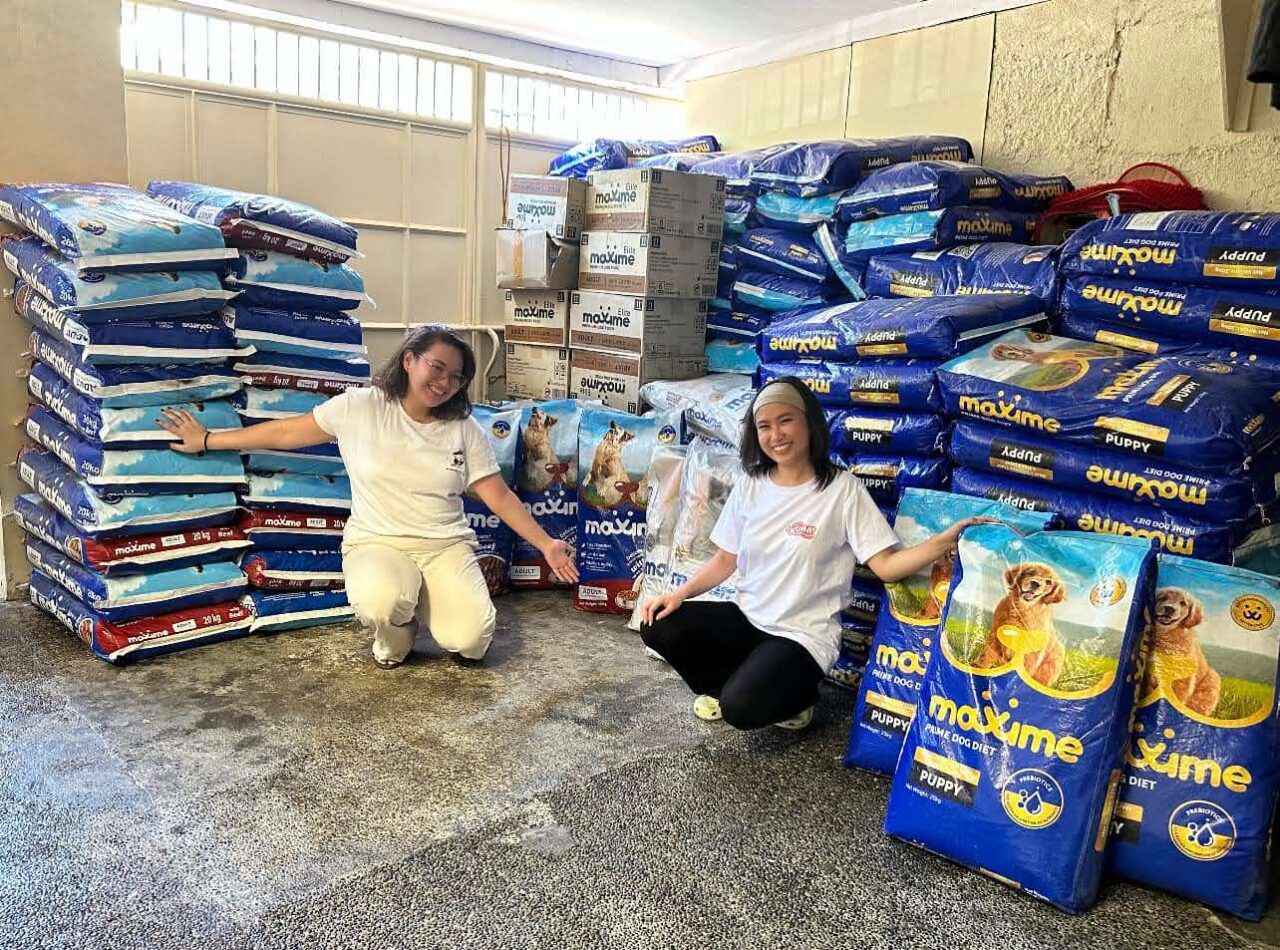
Maxime pet food, for instance, stands as an excellent example of eco-friendly pet nutrition. It boasts a formulation that’s rich in high-quality natural ingredients, making it easy to digest. Maxime incorporates prebiotics to support your pet’s healthy growth. What’s more, all these ingredients are sustainably sourced, ensuring not only your fur baby’s well-being but also lessening the waste you contribute to the environment.
Sustainable Dog Products for Environmentally Conscious Pawrents
When searching for eco-friendly dog products, think about recycled or eco-friendly collars and leashes made from natural or recycled materials. These products are not only gentle on the planet but also safe and comfortable for your dog.
Additionally, consider investing in biodegradable poop bags to minimize plastic waste. These bags break down naturally, reducing the environmental impact and contributing to cleaner surroundings for both humans and pets.
Eco-Friendly Cat Products for Green Cat Pawrents
When it comes to cat products, environmentally conscious pet owners can make choices that are gentle on the planet without compromising their feline friend’s happiness. Here are three eco-friendly cat products that provide comfort for your pet and peace of mind for you.
- Biodegradable Litter – Choose eco-friendly cat litter made from organic materials like corn, wheat, or recycled paper. It’s better for the environment and your cat.
- Recycled Cat Furniture – Opt for cat trees, scratching posts, and beds made from recycled or sustainably sourced materials. These options are attractive, sturdy, and kind to the planet.
- Natural Cat Grooming Products – Keep your cat clean with natural, chemical-free grooming products. They’re healthier for your cat and the environment.
These eco-friendly cat products ensure your feline companion enjoys a safe and eco-conscious lifestyle. While caring for your cat, you’re also contributing to a cleaner and greener world.
Eco-Friendly Pet Supplies for a Greener Home
Your pet’s home environment also plays a vital role in reducing your ecological footprint. Opt for ethically sourced pet supplies like natural cleaning products and materials. These choices can help keep your pet’s living space clean while minimizing the negative impact on the environment.
When you buy pet furniture or accessories, consider items made from eco-friendly materials such as bamboo or reclaimed wood. Also, choose products that have a longer lifespan, which minimizes waste in the long run.
Pawprints of Change for a Better Tomorrow
As we make eco-conscious choices in pet care, we create a positive impact on the environment. These small changes ripple out, contributing to a cleaner and more environment-friendly world.
High-quality, sustainably sourced pet food like Maxime not only nurtures your pet’s health but also minimizes your carbon footprint. By being mindful of the products we use and the ingredients we feed our pets, we can make a big difference for our beloved animals and the planet they call home.
So, let’s take a paw-sitive step towards greener and more responsible pet parenthood.
Frequently Asked Questions
1. Why does pet ownership carry a meaningful environmental footprint, and where does it originate?
The pet care industry generates significant waste through plastic packaging, synthetic materials in accessories, chemically intensive grooming products, and pet food supply chains that involve resource-heavy meat production. Each individual purchasing decision — from the food brand chosen to the type of waste bag used — contributes to this cumulative footprint. Fur parents who recognize these impact pathways are better positioned to make substitutions that meaningfully reduce their household’s ecological footprint without compromising their pet’s health or comfort.
2. What should fur parents look for when evaluating whether a pet food brand genuinely qualifies as eco-friendly?
Authentic eco-friendly pet food brands demonstrate sustainability through transparent, verifiable sourcing of ingredients — not just marketing language. Key indicators include: ingredients sourced from responsible agricultural or fishery operations; minimal use of synthetic additives, fillers, and artificial preservatives; reduced or recyclable packaging; and a formulation that prioritizes digestibility, since highly digestible food means less waste output per meal. Brands that disclose their supply chain and manufacturing practices publicly are far more credible than those relying solely on general environmental claims.
3. What are the most impactful eco-friendly product substitutions a fur parent can make for their dog?
Three substitutions deliver the greatest environmental impact for dog owners: switching from single-use plastic waste bags to certified biodegradable or compostable alternatives; replacing synthetic collars and leashes with products made from natural fibers or recycled materials; and choosing durable, long-lasting toys and accessories over cheap disposable ones. The durability principle is particularly important — a single well-made item that lasts years generates far less total waste than multiple cheaper items replaced repeatedly over the same period.
4. How can cat owners make eco-conscious litter and furniture choices without compromising their cat’s wellbeing?
Conventional clay cat litter is strip-mined and non-biodegradable — one of the highest-impact daily consumables in cat ownership. Plant-based alternatives made from corn, wheat, wood, or recycled paper are biodegradable and increasingly effective. For cat furniture, products made from sustainably harvested wood, recycled cardboard, or natural sisal replace those made from synthetic foam and new plastic. These alternatives reduce landfill contribution significantly while providing equivalent or superior functionality for the cat’s actual behavioral needs.
5. How does choosing highly digestible pet food connect directly to reduced environmental waste?
A pet food’s digestibility determines how much of each meal is actually absorbed versus excreted. Low-digestibility diets require larger feeding volumes to meet nutritional needs, producing more waste per day and demanding more total food production over a pet’s lifetime. Highly digestible formulas deliver more usable nutrition per gram consumed — meaning less food is needed, less is wasted, and the supply chain impact per unit of nutritional value delivered is measurably lower. Digestibility is therefore a direct environmental metric, not just a health consideration.