
Let’s celebrate Nutrition Month with these health tips!
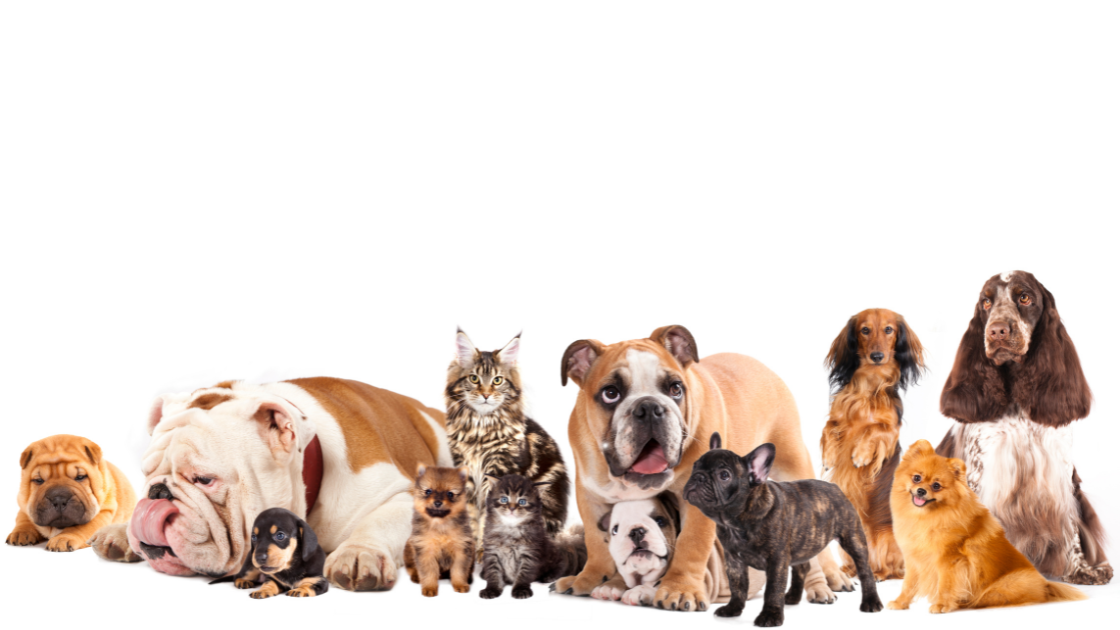
#LiveTheBestLifeTogether by giving your furry besties the best care possible. Here are 6 habits to practice for a long and healthy life ahead!
- Frequent exercise
Physical and mental exercise are keys to a happy, healthy pet!. Daily walkies, playtime, and engaging toys keep your furry babies fit and sharp.
- Vet checks
Ensure your besties’ vaccinations are complete and up-to-date. Regular visits to your trusted vet are crucial for their well-being and longevity. This helps detect early signs of health issues and prevent illnesses.

- Give the best, nutritious meals
For a balanced diet packed with essential vitamins and nutrients, feed them with premium meals from Maxime! Our meals are crafted with the best and only the freshest ingredients by our team of experts to support your pets’ health and vitality.
- Stay hydrated
Water helps get rid of toxins in the body. It’s important to provide your furry besties with fresh and clean water to keep them hydrated!
5. Maintain a good grooming routine
Regular grooming helps maintain their skin and coat, reduces shedding, and keeps them looking and feeling their best!
6. Set a time and space to rest
Make sure they have a cozy and quiet place to rest. Proper sleep is essential for their overall health, especially for growing kittens and puppies.
With proper nutrition and health habits, you’re on the right path to a happy and thriving life ahead with your best friend.
Frequently Asked Questions
Why does daily physical exercise matter for pet health beyond just keeping dogs and cats from gaining weight?
Exercise addresses both body and mind simultaneously. Physical activity builds and maintains muscle mass, supports cardiovascular health, and improves joint mobility — all of which decline rapidly in sedentary pets. On the mental side, regular movement reduces anxiety, curbs destructive behaviors that arise from boredom, and sharpens cognitive function. For cats especially, interactive play mimics natural hunting behavior, providing psychological fulfillment that pure physical comfort cannot replicate. Daily movement is among the most cost-effective health investments a fur parent can make.
What should regular veterinary check-ups include beyond routine vaccinations to be genuinely comprehensive?
Vaccinations are a foundational component, but comprehensive wellness visits also include dental assessments, weight monitoring, parasite screening, and organ function checks through bloodwork — particularly important as pets age. Early detection of conditions like kidney disease, diabetes, or dental infections dramatically improves treatment outcomes and reduces long-term costs. Vets also assess behavioral changes that owners may normalize or overlook. Treating routine check-ups as preventive investment rather than reactive response is consistently the approach that produces the best long-term health outcomes.
How does hydration specifically influence a pet’s organ health, skin condition, and digestion?
Water is the body’s most essential nutrient — it facilitates nutrient transport, regulates body temperature, lubricates joints, and flushes metabolic waste from the kidneys. Chronic mild dehydration in pets is common and difficult to detect, gradually stressing the kidneys and leading to concentrated urine, constipation, and reduced skin elasticity. Fresh, clean water available at all times — with the bowl washed daily to prevent biofilm buildup — is a simple but profoundly impactful daily habit that supports virtually every organ system.
What specific benefits does a consistent grooming routine provide beyond cleanliness and appearance?
Regular grooming is a comprehensive health monitoring practice. Brushing removes dead hair, distributes natural skin oils, and prevents painful matting. It also gives fur parents the opportunity to detect early signs of skin issues, lumps, parasites, inflammation, or wounds before they escalate. For cats, grooming reduces ingested hairballs. For dogs, ear cleaning during grooming prevents infection. The handling involved also desensitizes pets to physical touch, making veterinary examinations less stressful — a behavioral benefit that pays dividends throughout the pet’s life.
Why is uninterrupted, quality sleep as important for pet health as nutrition and exercise?
Sleep is when the body repairs tissue, consolidates learning, and regulates immune function. Puppies and kittens especially need substantial sleep — often 16 to 20 hours daily — to support the rapid neurological and physical development occurring during their early months. Adult pets deprived of quality rest through environmental noise, discomfort, or an unsuitable sleep space experience elevated cortisol, impaired immunity, and behavioral instability. A quiet, dedicated sleep space — separate from household traffic — directly supports the physiological processes that keep pets healthy long-term.