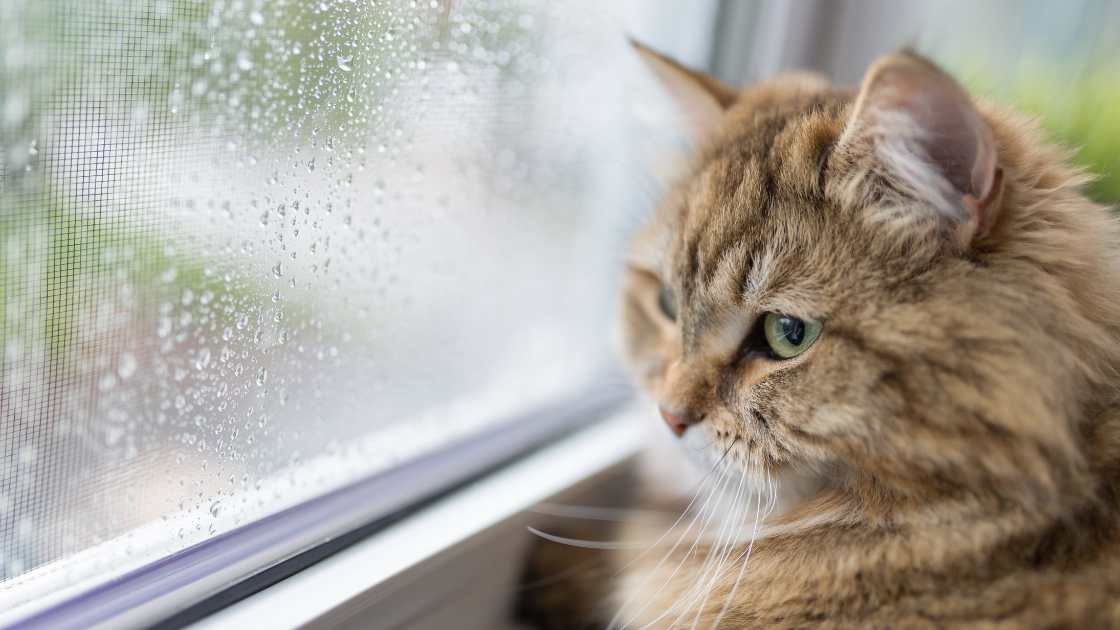

The question of whether or not you should let your paw-babies, or as some people could call “cattos,” go outside is still up for dispute among cat owners. There is plenty of appeal and concern in the debate over indoor versus outdoor cats, especially when it comes to the dangers associated with outdoor cats.
Can I take my cat outside? Devoted pet parents wonder this question on a regular basis. Our inquisitive furry friends are drawn to the outdoors, so it makes sense that the thought of letting your feline friend go free would be enticing. But can house cats actually survive outside, and if so, why do outdoor cats tend to die younger than indoor cats? These are just a handful of the questions that fuel the conversation over the dangers of letting our furry friends go outside.
The Differences Between Indoor and Outdoor Cats
The differences between house cats and outdoor cats go beyond the literal walls that encase them. While indoor cats tend to have a safer and more sheltered existence, outdoor cats embrace an adventurous life filled with exploration. But this exploration doesn’t come without its fair share of risks and concerns. The behavioral shift in outdoor cats is noticeable; they tend to display more independent and adventurous traits, often influenced by their exposure to the elements and encounters with other animals.
Risk Factors and Dangers
However, the true question arises when indoor cats, accustomed to the comfort and safety of their homes, decide to extend their escapades into the wild. What happens when indoor cats stay out longer than expected? The risk factors surge significantly as they encounter potential dangers ranging from encountering other territorial felines, being exposed to diseases, facing vehicle-related hazards, or being lost and unable to find their way back home.
Cat illnesses that occur outside are a real problem. These adventurous feline explorers are more susceptible to a wider range of viruses and parasites, which can cause everything from ordinary infections to more serious illnesses. Not to add, these risks and potential contacts with danger in the big outdoors tend to shorten the lifespan of an outdoor cat greatly.
Addressing Concerns and Ensuring Safety
Let’s now explore the reasons why outside trips can be a little unsettling for pet parents. Naturally, worries surface when the cattos choose to extend their legs outside of the indoor sanctuary’s safety. For many, the concerns about their safety and the possible risks they could face can be extremely unsettling.
But fear not, dear fur-parents! While the risks are genuine, proactive measures can be taken to ensure the safety of your paw-babies when they venture into the great outdoors. Implementing measures such as regular vet check-ups, ensuring they’re spayed or neutered, providing identification in the form of collars or microchips, and creating safe, enclosed outdoor spaces are just a few steps to mitigate the potential dangers.
Embracing Fur-Parenting Adventures
In conclusion, the thrill of allowing your feline companion to explore the world outside is undeniable. However, the risks and dangers that come with this freedom cannot be overlooked. It’s crucial for fur-parents to weigh the joys of outdoor adventures against the potential hazards, ensuring the well-being and safety of their beloved cattos. Remember, keeping those furry explorers safe while embracing their adventurous spirits is the key to fostering a harmonious coexistence between indoor comfort and outdoor excitement.
As we navigate the intricate world of fur-parenting, may we find the perfect balance between safety and the delightful escapades our paw-babies yearn for, all while embracing the joy they bring to our lives.
Frequently Asked Questions
1. What is the core tradeoff between indoor and outdoor life for domestic cats?
Indoor cats live significantly longer on average — 10 to 15 years compared to 2 to 5 years for free-roaming outdoor cats. The outdoor environment offers genuine enrichment through sensory variety, physical challenge, and behavioral expression of hunting instincts. However, this comes at the cost of exposure to vehicles, territorial confrontations with other animals, contagious feline diseases, parasites, and the risk of becoming lost. Responsible ownership means honestly weighing these benefits and risks rather than defaulting to assumption in either direction.
2. How do outdoor cats differ behaviorally from cats that remain indoors?
Outdoor cats develop more independent and exploratory behavioral profiles, driven by exposure to varied environments, other animals, and the need to navigate unpredictable situations. Their territorial instincts are more actively exercised, and they tend to be more reactive and adaptive than cats raised exclusively indoors. Indoor cats, by contrast, develop richer relationships with their human companions and tend to be more socially oriented toward people. Neither profile is inherently better — they reflect different behavioral adaptations to different environments.
3. What disease and parasite risks does outdoor access create for cats?
Outdoor cats face a significantly broader range of infectious and parasitic threats than indoor cats. Direct contact with other cats introduces risk of Feline Immunodeficiency Virus (FIV), Feline Leukemia Virus (FeLV), feline respiratory infections, and ringworm. Environmental exposure brings fleas, ticks, intestinal parasites, and ear mites. Contaminated water or soil can carry toxoplasmosis. Many of these conditions can also be transmitted indirectly to indoor-only pets through clothing or shoes, making vaccination and regular veterinary check-ups important for all cats.
4. What proactive safety measures can allow cats to experience outdoor environments more safely?
Several practical measures reduce the risk for cats that do go outside: spaying or neutering eliminates reproductive hazards and reduces roaming range; vaccination against FIV, FeLV, and respiratory diseases provides baseline disease protection; microchipping and collar identification improve recovery chances if the cat becomes lost; and supervised outdoor access — through a leash and harness, an enclosed garden space, or a catio — allows cats to experience the outdoors while maintaining owner control over the level of exposure.
5. How should a cat owner decide whether outdoor access is appropriate for their specific cat?
The decision should be based on the individual cat’s personality, health status, and local environment rather than general assumptions. A high-energy, curious cat in a quiet rural area faces very different risks than an anxious cat living near a busy urban road. A veterinarian can help assess vaccination status, general health suitability, and risk level. For owners who want to provide enrichment without full outdoor access, structured alternatives such as window perches, cat trees, and interactive play can address many of the same behavioral needs.