
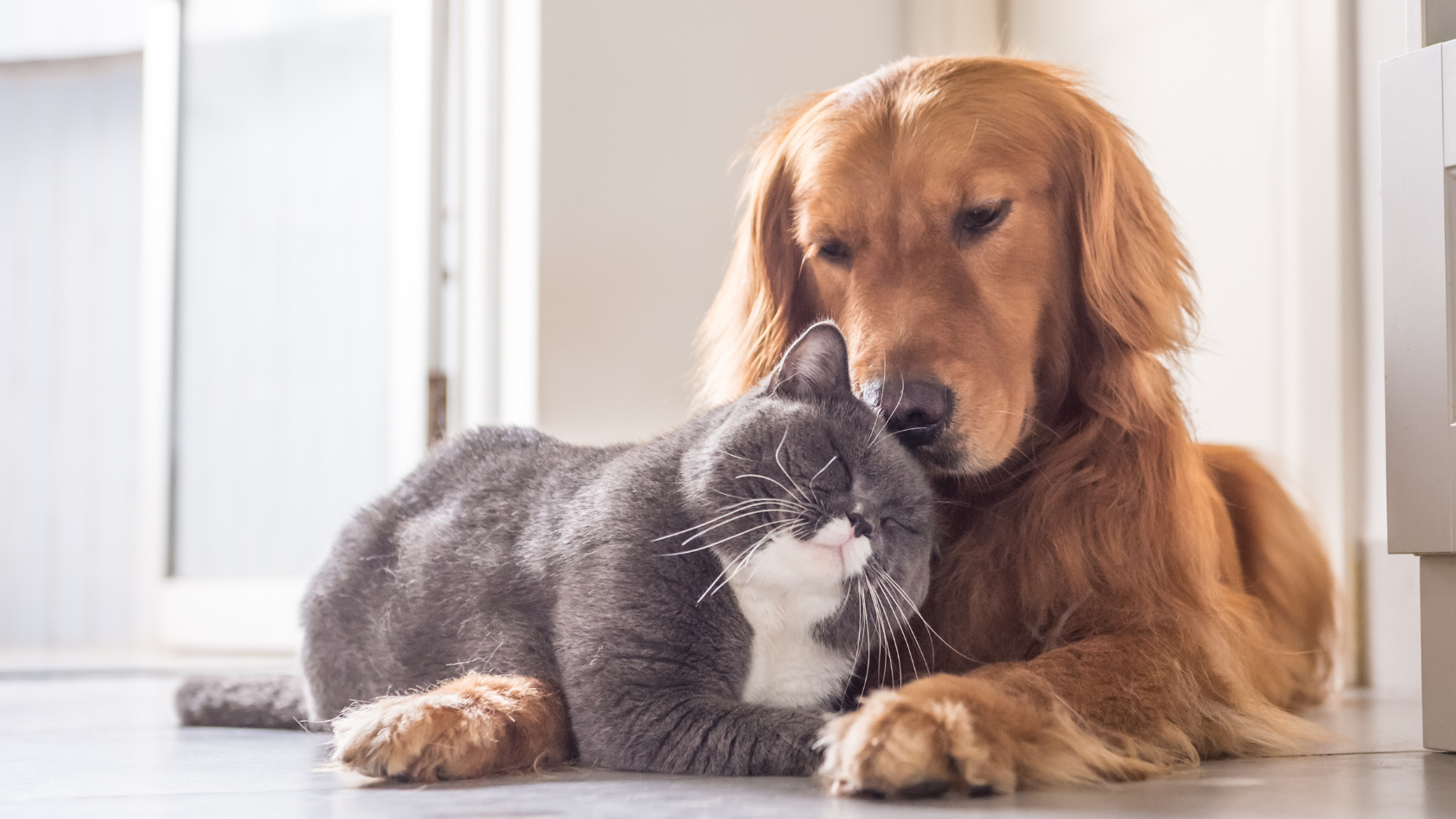
As time passes, our beloved floof babies age, and just like hoomans, they require a little extra care and attention in their senior years. Whether you have a more mature cat or a wise old dog, we have got some heartwarming and practical tips on senior pet care that can help you ensure your senior pet’s golden years are filled with comfort, love, and joy.
Scheduling Regular Vet Visits
Just like hoomans, our senior pets benefit from regular check-ups and having a trusted veterinarian by your side can help ensure your pet’s health and well-being. These appointments include a comprehensive approach to wellness, addressing the many aspects of your floof baby’s overall health from dental care to joint health. Through these regular check-ups, you and your senior pets can embrace their golden years with comfort and vitality.
Providing Well-Balanced Nutrition
As our pets reach a certain age, their nutritional needs change. Senior pets like yours are known to benefit from specially formulated diets that match their changing metabolism and emerging health concerns. As a responsible pawrent, make sure you always consult with your trusted vet to determine the best diet for your aging furry pals. A well-balanced diet will surely help support their immune system, maintain a healthy weight, and keep their coat shiny.
Staying Active, While Respecting Limits
Exercising is important for the overall health of senior dogs and senior cats, but we as pawrents must be super mindful of their arising limitations. Going for gentler walks, encouraging assisted interactive play, and providing less complex mental stimulation can help keep their minds and bodies engaged. However, be careful to not push them too hard—listen to their subtle cues and just opt to do activities that match their energy and comfort levels. A little exercise goes a long way in keeping your senior pets happy and healthy. Mental stimulation can also help stave off cognitive decline and keeps them engaged with their surroundings. Spend quality time together to remind them they’re still your cherished companion.
Ensuring a Comfortable Living Space
Make your wise old pets’ living space more senior-friendly. Buying soft bedding to cushion their aging joints, and installing ramps or stairs to help them access their favorite spots are just some of the things we can do to make everything comfy for your aging floof. You can also check and ensure that the space they stay most of the time is warm, draft-free, and safe to prevent accidental slips and falls. Meanwhile, older cats might also appreciate litter boxes with lower sides for a much easier access.
Adapting Regular Grooming Rituals
Grooming is more than just ensuring that your senior pets still look good—it’s an essential effort for your pet’s overall health, too. Regularly brushing your floof’s coat helps distribute its natural oils, prevents fur matting, and gives you a chance to check for any skin issues, lumps, or even hidden pests. Keeping an eye on their nails is also important, as senior pets might be less active and their nails may not wear down naturally.
Ensuring Hydration and Establishing Regular Bathroom Breaks
As they age, our senior floofs are more prone to dehydration, so you have to make sure fresh water is always available at all times. If your pet has mobility issues, you may consider placing water bowls strategically around the house. Adjacently, senior pets need more frequent bathroom breaks, so as pawrents, we have to be attentive to their needs.
Watching Out for Dental Health Problems
Dental issues in our senior pets can become more prevalent in older pets, leading to discomfort and potential health problems. Regular dental care, such as brushing their teeth or providing dental treats, can help maintain their oral health. Consult your veterinarian for advice on maintaining their sparkling smiles.
Adjusting to Changing Needs
Just as life changes for us, it evolves for our pets. Pay attention to their evolving needs and be ready to adjust their care regimen accordingly. As they age, their preferences and abilities might change, and your willingness to adapt will ensure their comfort and happiness.
Cherishing Every Moment
Above all, pawrents should take each moment you share with your senior pets. Every wag of their tails, every contented purr must be taken as a reminder of the special bond you share. Their golden years are a time of reflection and appreciation, where your love and care mean the world to them the most.
Caring for a senior dog and senior cat is a beautiful journey that requires patience, understanding, and a lot of love. Embrace their changing needs, focus on their well-being, and continue to create unforgettable memories together. Remember, your senior pet has been by your side through thick and thin. Now, it’s your turn to ensure their senior years are filled with the same devotion they’ve given you throughout their lives.
Frequently Asked Questions
1. At what age do dogs and cats generally transition into their senior years, and what changes should fur parents expect?
Most dogs are considered senior from age 7 onward, though larger breeds age faster and may enter their senior phase at 5 to 6 years. Cats generally enter senior status around age 10 to 11. Physical changes include reduced stamina, stiffer joints, slower metabolism, and possible sensory decline. Behavioral changes include sleeping more, reduced enthusiasm for vigorous play, and increased need for warmth and comfort. Recognizing these as normal aging indicators — rather than personality changes — allows fur parents to respond with appropriate adjustments rather than concern or frustration.
2. How should the nutritional approach to senior pets differ from the approach used during their adult years?
Senior pets require diets that are calorie-adjusted for their slower metabolism, protein-rich to maintain muscle mass that naturally declines with age, and supplemented with joint-supporting compounds like glucosamine and chondroitin. Digestibility becomes more important as aging digestive systems absorb nutrients less efficiently. Consultation with a veterinarian is essential before changing a senior pet’s diet, as conditions like kidney disease, dental problems, or diabetes require specific dietary modifications that a general senior formula alone may not address.
3. Why does exercise remain important for senior pets even when their physical capacity has declined?
Regular, gentle exercise maintains cardiovascular function, supports healthy joint mobility, and significantly slows cognitive decline in aging animals — a condition known as cognitive dysfunction syndrome that resembles dementia in humans. The key is matching the activity to the animal’s current capacity: shorter, gentler walks for senior dogs; low-impact interactive play for senior cats. Completely removing exercise from a senior pet’s routine accelerates physical deterioration and increases behavioral problems associated with under-stimulation and boredom.
4. What specific home modifications most significantly improve quality of life for senior dogs and cats?
For dogs, orthopedic foam beds reduce pressure on arthritic joints; ramps or steps eliminate the need to jump onto furniture or into vehicles. For cats, litter boxes with lower sides or a cut-out entry accommodate reduced flexibility. Elevated food and water bowls reduce neck strain during eating. Non-slip mats on hard flooring prevent the falls that become increasingly dangerous for aging animals. Ensuring warmth — particularly for cats, who seek out heat as metabolism slows — is a comfort measure with genuine physiological benefit.
5. How should the veterinary check-up schedule change for senior pets compared to adult pets?
Adult pets typically require one comprehensive annual veterinary check-up. For senior pets, this should increase to a minimum of twice yearly — every six months — to account for the faster rate at which age-related conditions develop and progress. Senior wellness check-ups should include bloodwork to screen for kidney and liver function, thyroid levels, blood glucose, and organ health indicators that may not produce visible symptoms until significantly advanced. Earlier detection of common senior conditions dramatically expands treatment options and extends healthy quality of life.