In many Filipino households, it’s common for dogs to eat table scraps given by their hoomans. Food combos are often a scoop of rice and leftover ulam from lunch or dinner. While it might seem practical, this habit may be doing more harm than good to our beloved four-legged floofs.
In this article, we’ll discuss the foods that should be avoided for dogs, and provide you with tips for a smooth transition from table food to dog food for your doggos.
1. The Truth About (“Ulam”) Table Food
What’s delicious to us—like fried chicken, adobo, or sinigang—can be too salty, fatty, or toxic for dogs. Fried chicken, if given with bones, can splinter and cause choking or internal damage. Foods like grapes, raisins, chocolate, onions, garlic, xylitol (artificial sweetener), alcohol, anything with MSG, and avocado are toxic to dogs and should NEVER be given. These foods can irritate a dog’s digestive system or even lead to serious health issues over time.
2. Stomach Issues
Does your dog experience frequent loose stool, excessive gas, or dull fur? These can often be traced back to inconsistent or poor-quality diets. Ulam doesn’t offer consistency in nutrients, which can lead to tummy troubles and coat issues.
Maxime contains prebiotics and high-quality proteins to support healthy digestion and a shinier coat—so your dog feels and looks their best, every day.
3. It Can Lead To Begging Behavior and Dog’s Weight Gain
One time, when I was eating chicken, my dog was immediately drawn to the smell. That is another concern when it comes to table food. It reinforces begging behavior and can lead to weight gain. With those adorable eyes begging me for a bite, how can we, as fur parents, resist?
The answer is: we must resist giving in. While you might think it’s adorable, small or frequent bites can quickly add up to their weight, which can lead to a whole host of health problems, like arthritis and diabetes. According to UC Davis School of Vet Medicine, dogs should never consume more than 10% of their daily caloric intake from treats or other human foods.
4. Dog Food Is More Practical Than You Think
Many pet parents think that dog food is more expensive than table food. But the truth is, you end up spending more on vet bills when your dog’s health suffers from a poor diet.
With Maxime, every kibble delivers precise nutrition from high-quality ingredients, including Yucca Schidigera for odor reduction, prebiotics, omega-3 & 6, and other antioxidants to help your furry best friend receive the best care possible.
5. Love Means Choosing What’s Best
Feeding your dog isn’t just about giving them food—it’s about showing love through care. Maxime makes that easy. With a range of flavors, sizes, and formulas, your dog will enjoy every bite—while you enjoy the comfort of knowing you’re doing what’s best.
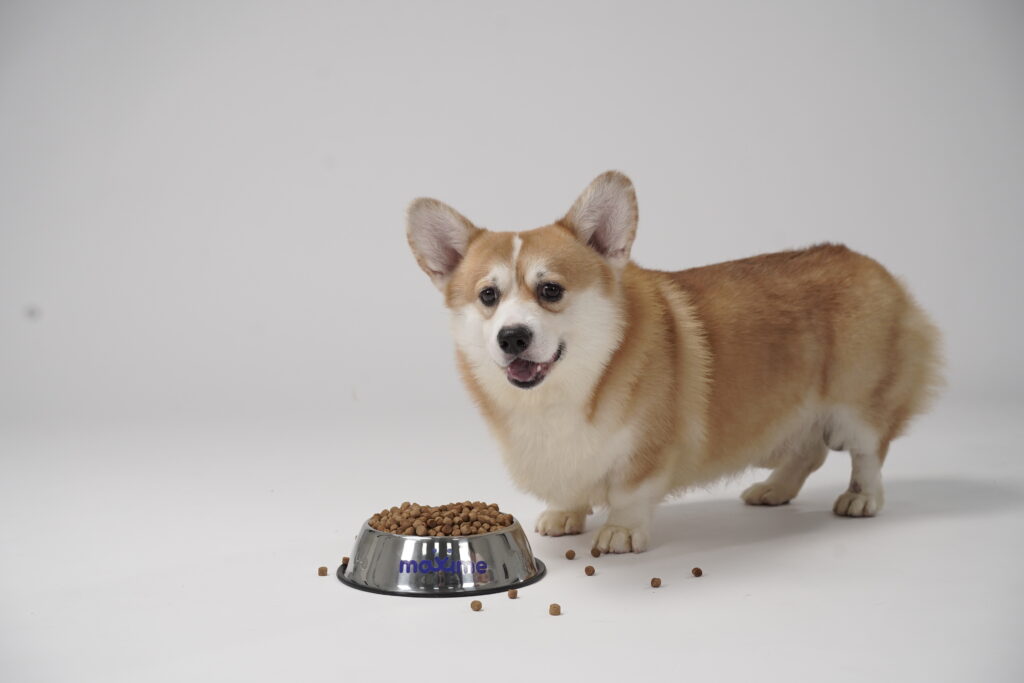
Make The Switch to Maxime Today
A growing puppy and an active adult have different dietary needs. From puppyhood to adulthood, Maxime offers premium and standard ranges that cater to your furry bestie’s appetite. Once you’ve chosen the right Maxime variant for your dog’s life stage, the next step is making the switch the right way.
Transitioning your dog’s food requires patience and care, and Maxime is here to support you throughout the process. Follow our 7-day transition plan to help your dog adjust without upsetting their tummy. See our packaging to know the proper transition plan. In the transition phase, monitor your dog’s stool for changes and reactions, adjusting the pace as needed.
Your dog deserves more than leftovers. Make the switch from ulam to Maxime and #LiveTheBestLifeTogether.
Order Maxime Dog Food online here: https://maxime.asia/ph/store/
Frequently Asked Questions
What role does nutrition play in protecting cats from rainy season health risks?
A nutritionally complete diet directly supports immune system strength, which is the body’s primary defense against infections, parasites, and weather-related health stressors. A well-nourished cat has stronger cellular immune responses, faster recovery from illness, and better overall resilience against the range of hazards that the rainy season introduces. Consistent high-quality feeding is not a seasonal measure — it is the year-round foundation that determines how effectively a cat can handle health challenges when they arise.
Can cats get leptospirosis, and how might they be exposed?
Leptospirosis is a bacterial infection most commonly associated with dogs, but cats are not fully immune. Exposure typically happens indirectly — when a cat comes into contact with contaminated water tracked indoors by humans, wet shoes, or flooded floors rather than from direct puddle contact. During the rainy season, when flood risk is higher and contaminated water is more prevalent, even indoor cats face a non-trivial exposure risk. Wiping paws and keeping cats away from wet floors are practical first steps.
Why does the rainy season increase the risk of fungal skin infections in cats?
Fungi thrive in warm, damp environments — exactly the conditions that the rainy season creates both outdoors and in enclosed indoor spaces with poor ventilation. When a cat’s coat becomes wet and stays damp for extended periods, the skin underneath becomes an ideal environment for fungal growth. Thorough drying after any exposure to moisture, regular grooming, and maintaining a dry, clean resting area are the key preventive measures against rain-season fungal skin infections.
How can wet or cold conditions lead to respiratory illness in cats?
A cat that gets thoroughly soaked — whether from rain exposure, an open window, or a damp sleeping spot — can experience a rapid drop in body temperature. Sustained chilling stresses the immune system and increases susceptibility to respiratory infections, ranging from mild cold-like symptoms such as sneezing and watery eyes to more serious conditions like pneumonia in severe cases. Ensuring cats have a consistently warm, dry resting area is the most direct protection against cold-triggered respiratory illness during the rainy season.
Why does flea and tick activity increase during the rainy season?
Moisture and humidity create ideal breeding conditions for fleas and ticks, accelerating their reproduction cycle significantly. The population of these parasites typically surges during wet months, making even well-maintained indoor cats more vulnerable through indirect exposure on human clothing or other pets. Regular grooming, routine anti-flea and anti-tick treatments, and prompt removal of any parasites found on or near the cat are essential protective measures during this higher-risk period.