Welcoming a new feline friend into your home is a heartwarming experience. As a cat parent, you want the best for your furball, and that includes fostering healthy social interactions. Cat socialization might sound like a whimsical concept, but they hold significant benefits beyond their surface charm.
In fact, they’re like the cat version of a coffee meetup—a chance for your pet to bond, learn, and have a paw-some time. So, let’s delve into the world of feline socialization and discover how to master the art of play dates.
Understanding Cat Socialization
Cats, often known for their independent nature, are also inherently social animals. Just like humans, they need interaction and communication to thrive emotionally and mentally. Play dates aren’t just about fun; they’re a means for cats to connect with their kind, learn social cues, and establish their place in the feline hierarchy.
Each swat, pounce, and purr is a part of their language, helping them navigate the complex world of cat camaraderie.
Planning Successful Cat Play Dates
Organizing successful play dates requires a pinch of patience and strategic planning. Cats are diverse in their personalities, just like people. Some are extroverts, while others are introverts. Before you embark on a play date arrangement, take time to understand your cat’s personality.
This will help you pair them with suitable companions who share similar temperaments. Slow introductions, starting with scent exchanges and gradually progressing to face-to-face interactions, allow cats to adjust to each other’s presence at their own pace.
Play Date Essentials: Toys, Space, and Safety
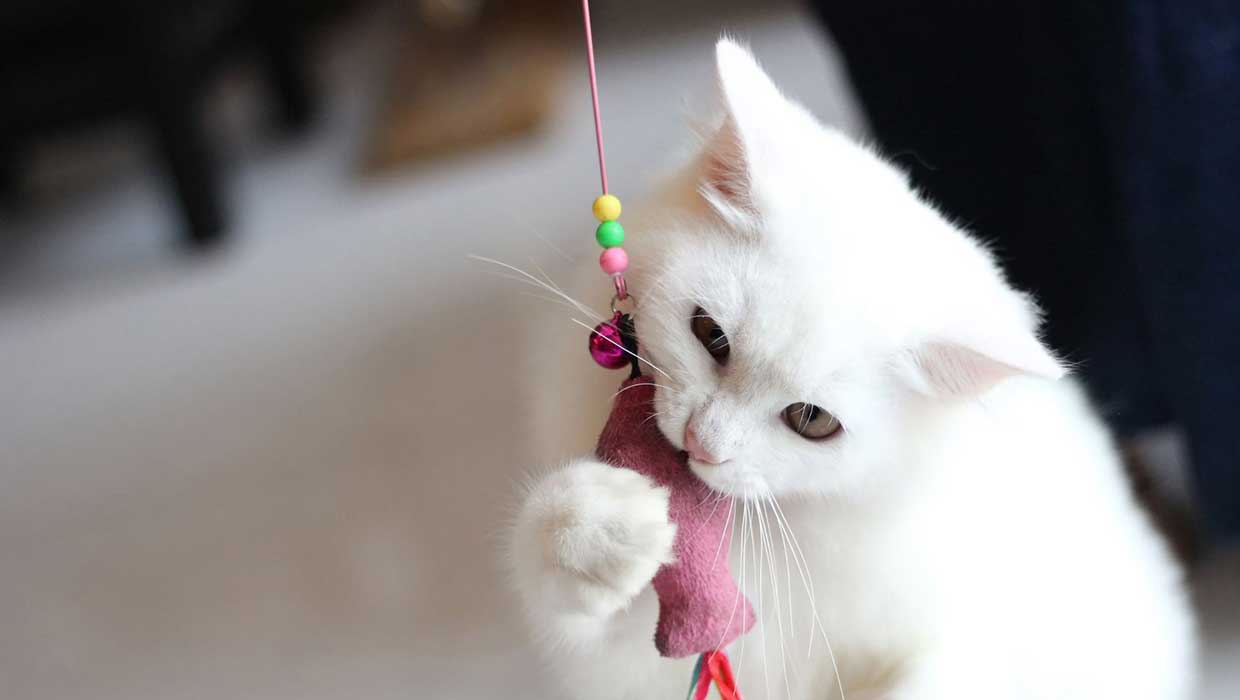
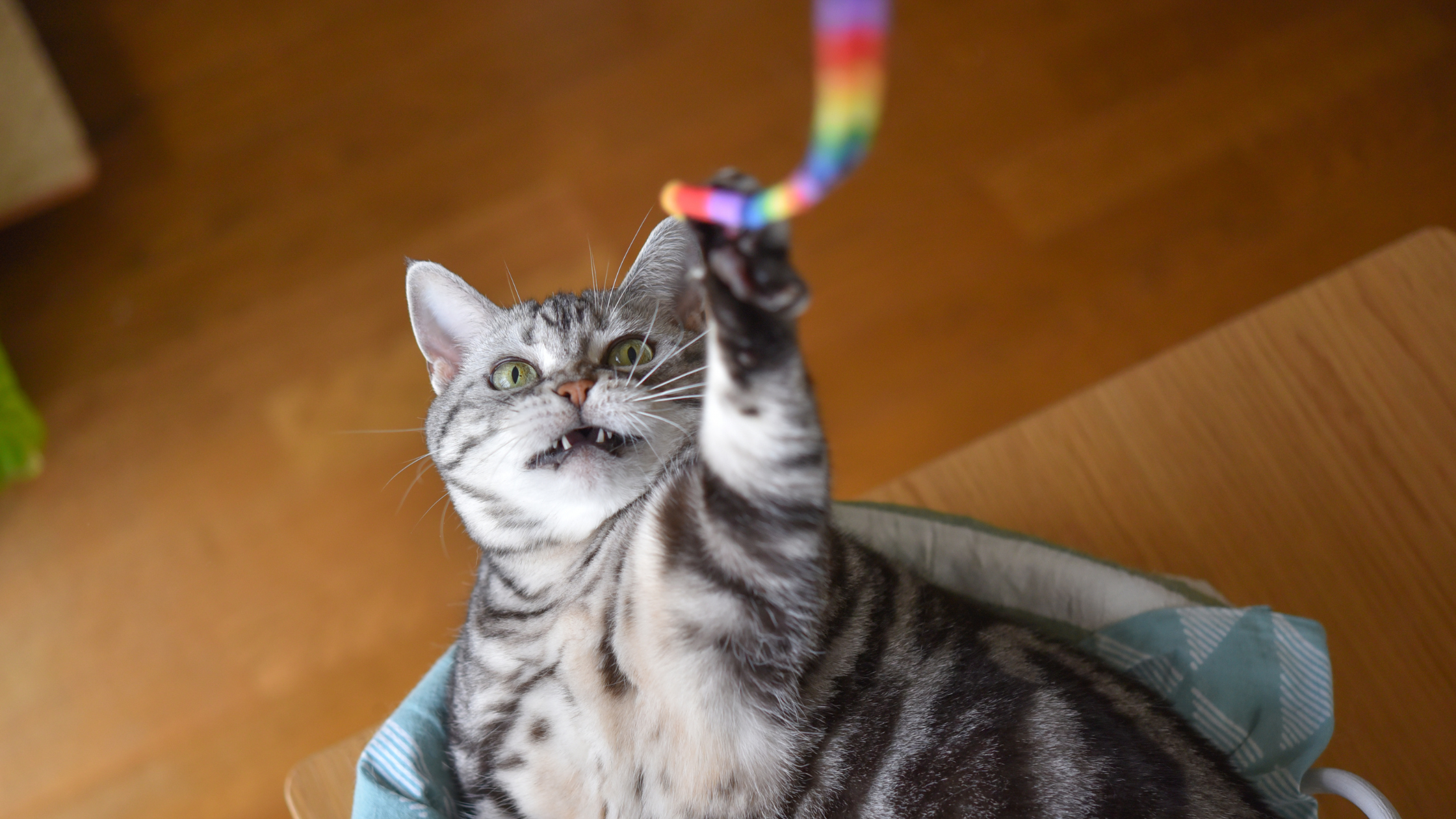
Imagine a playground filled with laughter and excitement—that’s the ambiance you want to create for your furry pals. Interactive toys, like feather wands and rolling balls, stimulate their hunting instincts and keep them engaged.
Designating a safe play area with scratching posts, hiding spots, and climbing opportunities adds to the allure. Prioritize safety by removing any potential hazards or items that might cause stress.
The Role of Diet in Socialization
“Maxime Elite Dry Cat Food” isn’t just food; it’s a catalyst for holistic well-being. The right nutrition sets the stage for a cat’s overall health, impacting everything from energy levels to behavior. This premium cat food is fortified with essential nutrients that promote muscle development, healthy bones, skin, fur, and teeth.
Its balanced mineral composition supports urinary health, while the protein-rich kibble enhances bone and teeth strength. Furthermore, the inclusion of prebiotics and antioxidants bolsters natural defense mechanisms during growth, pregnancy, and lactation.
Monitoring and Adjusting Play Dates
The secret to successful play dates lies in keen observation. Cats communicate not only through sound but also through body language. Ears forward, tails held high—these are signs of curiosity. However, if hissing or raised fur indicates tension, it’s time for a brief break. A treat or a favorite toy can redirect their focus positively. As time goes on, you’ll witness the harmony of their interactions, like a well-composed symphony.
Building Lasting Feline Friendships
Long after the play date ends, its impact lingers. Cats that engage in regular play dates develop stronger social skills and a heightened sense of camaraderie. A key factor in nurturing this bond is a nutritious diet. A bowl of “Maxime Elite Dry Cat Food” not only satisfies their taste buds but also supports their overall health and vitality.
In the world of cats, socialization is a rich tapestry woven through play, learning, and shared experiences. By nurturing these connections through play dates and providing optimal nutrition, you’re not just a cat owner—you’re a friend and companion in their journey.
Frequently Asked Questions
1. Why do cats benefit from social interaction with other cats even though they are known for being independent?
Cats are often described as solitary, but this is an oversimplification. Domestic cats are social animals that benefit from interaction and communication to thrive emotionally and mentally. Play dates provide structured opportunities for cats to practice social cues, navigate feline hierarchy through play, and build bonds with other cats. Each swat, pounce, and vocalization during these interactions is part of a rich communicative language that helps cats regulate stress and develop social competency.
2. How should a cat play date be set up to maximize success?
Successful cat socialization requires understanding each cat’s personality before pairing them. Introverted cats should not be thrown into high-stimulation encounters with extroverted ones. Introductions should be gradual: beginning with scent exchange — placing items that carry each cat’s scent in the other’s space — before any face-to-face contact. When direct interaction begins, it should happen in a space with multiple escape routes, hiding spots, and vertical structures so neither cat feels trapped or cornered.
3. What toys and environmental setup best support a productive cat play date?
Interactive toys that mimic prey movement — feather wands, rolling balls, crinkle toys — activate hunting instincts and channel energy constructively during play dates. The play space should include scratching posts, elevated perches, and enclosed hiding areas to give both cats options for engagement or retreat. Removing potential hazards, fragile objects, or items that could trigger competition between cats helps maintain a calm, exploratory atmosphere rather than a tense one.
4. What body language cues indicate a play date is going well or needs to pause?
Positive signs include ears held forward, tails raised upright or with a gentle curve, relaxed body posture, mutual grooming, and playful chasing without escalating intensity. Warning signs that call for a break include sustained hissing, growling, puffed-up tails, ears flattened against the head, and sustained stiff-body stalking. A treat or favorite toy can redirect attention when tension rises. Learning to read these signals accurately is the most important skill a cat owner can develop for managing multi-cat social situations.
5. What long-term benefits do regular play dates provide for a cat’s social development?
Cats that engage in regular, well-managed socialization develop stronger social skills, reduced fear responses toward unfamiliar animals, and a broader behavioral repertoire for navigating multi-cat environments. These benefits accumulate over time — a cat that has had many positive play date experiences is generally calmer in new social situations, less reactive to unfamiliar cats, and easier to introduce to new companions if the household changes. Nutrition also supports this by maintaining the energy, focus, and temperament needed for positive social engagement.