Cats, being natural-born hunters, often lead people to believe that they need to roam outside for a fulfilling life. However, the great outdoors can present more problems than benefits for your feline companions. Studies reveal that outdoor cats have a shorter lifespan, averaging 2-5 years compared to indoor cats, who live around 10-15 years.
While outdoor exploration can provide enrichment, it also exposes cats to various risks, such as vehicle accidents, flea and tick infestations, contagious diseases, and potential animal cruelty. Thus, it is generally recommended to keep cats indoors for their safety and well-being. But don’t worry, we have some tips to ensure your indoor cat remains happy and healthy.
1. Engage your cat with toys to expend their energy.
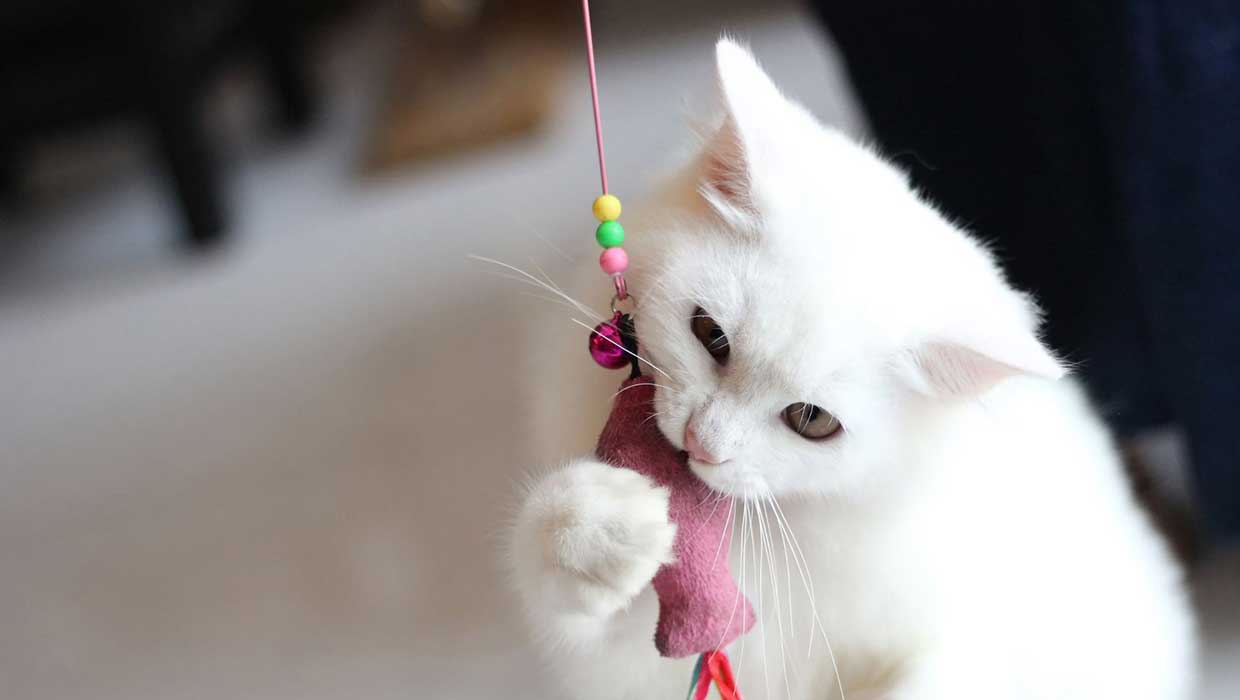
Cats often indulge in “zoomies,” bursts of activity resulting from pent-up energy after a long nap. To keep them entertained and stimulated, provide feather wands, fuzzy mice, rolling balls, and laser pointers for safe indoor play.
2. Set up bird-watching stations.
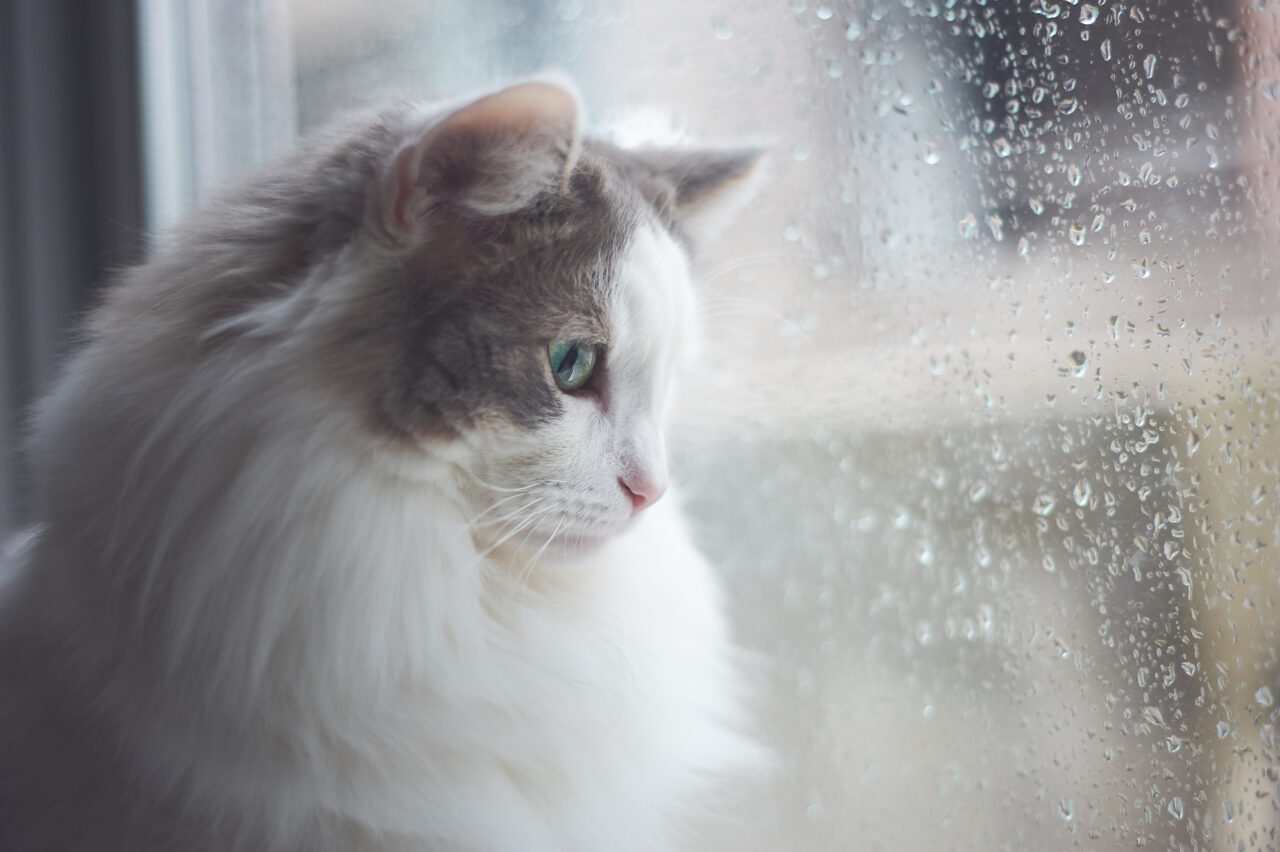
Cats have a natural fascination with birds, an instinct from their ancestors. Create perches or hanging shelves near windows so they can enjoy observing birds and other small animals.
3. Cater to their climbing instincts.
Cats love high places to survey their surroundings and stretch their claws. A cat tree is an excellent solution to allow them to climb, hide, and rest. Alternatively, consider installing climbing perches, hanging shelves, or wall-mounted hammocks for multi-cat households.
4. Consider adopting two cats.
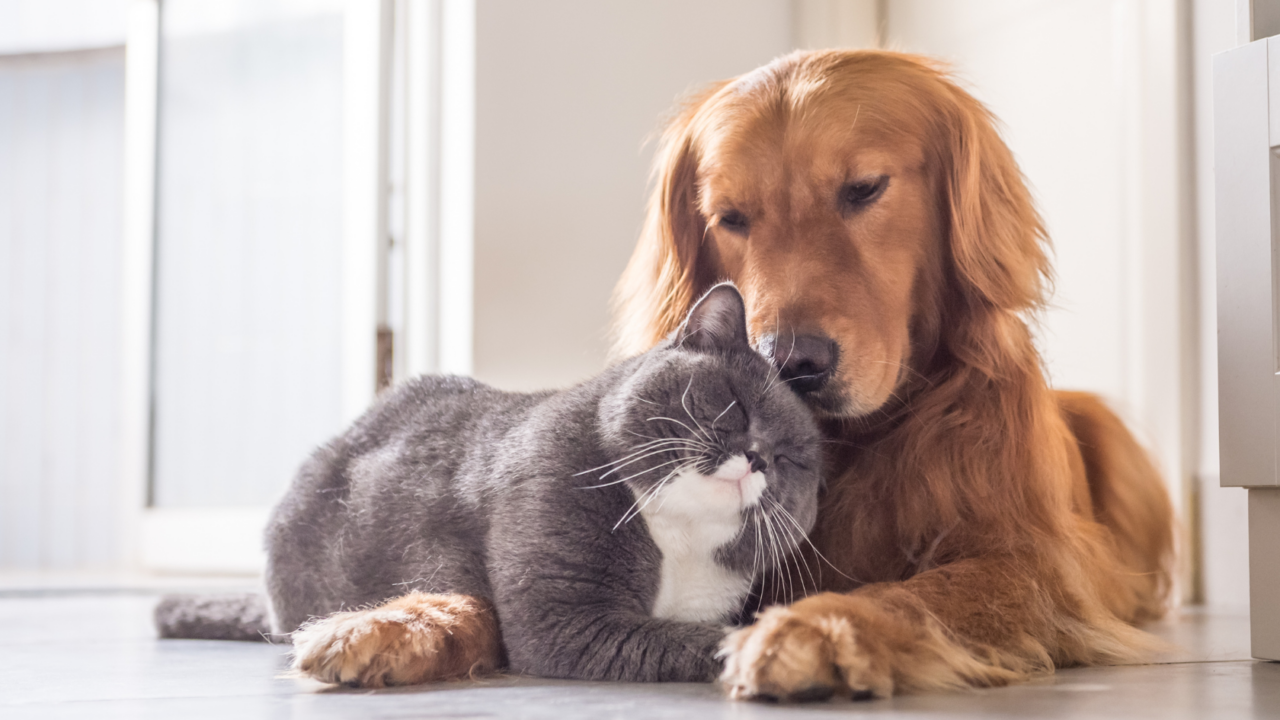
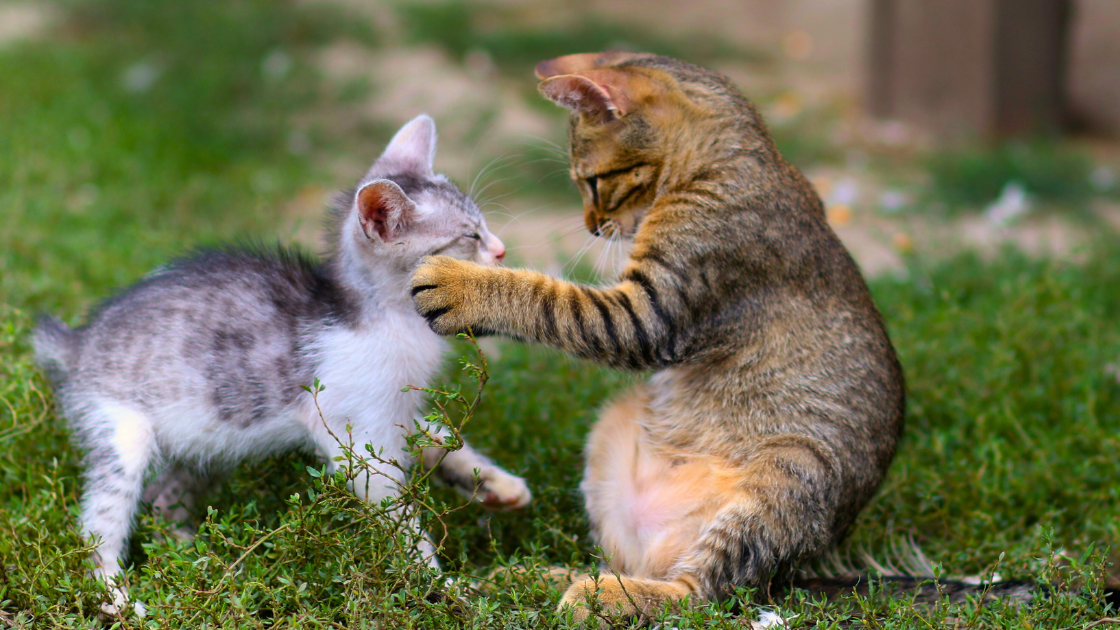
Despite their independent reputation, cats can get bored and lonely when left alone for extended periods. Having two feline companions can mentally stimulate and entertain each other, contributing to their overall well-being.
Besides providing a stimulating environment, ensure your cats receive proper nourishment. Treat them to Maxime Cat Food, a delicious and mineral-balanced meal enriched with taurine and easily digestible ingredients to support a healthy life together with your feline babies. #LiveTheBestLifeTogether.
Sources:
Keeping Your Indoor Cat Happy, WebMD.com
11 Tips to Make Your Indoor Cat Happy, NWF.org
Frequently Asked Questions
1. Why do studies recommend keeping cats indoors, and what evidence supports this?
Research consistently shows that indoor cats live significantly longer than outdoor cats — averaging 10 to 15 years compared to 2 to 5 years for free-roaming cats. Outdoor cats face a range of life-shortening risks including vehicle accidents, flea and tick infestations, contagious diseases, and exposure to harm from other animals or people. The difference in lifespan is not incidental — it reflects the cumulative impact of reduced daily risk exposure on long-term survival.
2. How do toys address the specific behavioral needs of an indoor cat?
Indoor cats accumulate unused predatory energy throughout the day that — if not discharged — releases suddenly as zoomies or redirects into destructive behavior. Toys designed to mimic prey movement, such as feather wands, fuzzy mice, rolling balls, and laser pointers, activate the cat’s hunting sequence: stalk, chase, pounce. This behavioral expression is not merely entertainment — it fulfills a deeply wired biological drive and reduces the anxiety and restlessness that build up in cats without adequate physical and mental outlet.
3. What is the purpose of a bird-watching station and how should it be set up?
A bird-watching station is a shelf, perch, or platform placed at window height, giving the cat an elevated, stable vantage point to observe outdoor wildlife. Cats have an instinctive prey drive toward birds and small animals, and even passive visual engagement with these subjects provides meaningful sensory stimulation. The setup requires nothing more than a secure, padded shelf positioned near a window with outdoor visibility — a low-cost enrichment solution with measurable impact on a cat’s daily engagement and contentment.
4. Why do cats instinctively seek high places, and how can indoor environments accommodate this?
In their evolutionary context, height provides safety from ground-level threats and an elevated surveillance position for monitoring territory and prey. This spatial instinct does not disappear in domestic cats. Cat trees, wall-mounted climbing shelves, hanging hammocks, and elevated perches allow cats to exercise this vertical drive indoors. In multi-cat households, vertical space is especially valuable because it effectively multiplies the available territory, reducing competition and tension between cats sharing a common floor plan.
5. Can having two cats genuinely improve the wellbeing of an indoor cat?
Yes. Despite their independent reputation, cats are social animals that experience loneliness and boredom when isolated for long periods. A second cat provides companionship, interactive stimulation, and a play partner that a human owner cannot fully substitute during working hours. Two cats in the same household — particularly when introduced thoughtfully at a young age — tend to develop complementary social rhythms, keep each other active, and show fewer stress-related behavioral issues than single cats left alone for extended periods each day.